





2026 Dodge Charger vs. 2026 Ford Mustang
If you are comparing the 2026 Dodge Charger and the 2026 Ford Mustang, the choice comes down to what kind of performance car experience you want. The Mustang stays true to the classic pony-car formula, but the Charger makes a compelling modern muscle case with far more power, all-wheel drive, a roomier cabin, and everyday practicality the Mustang simply cannot match.
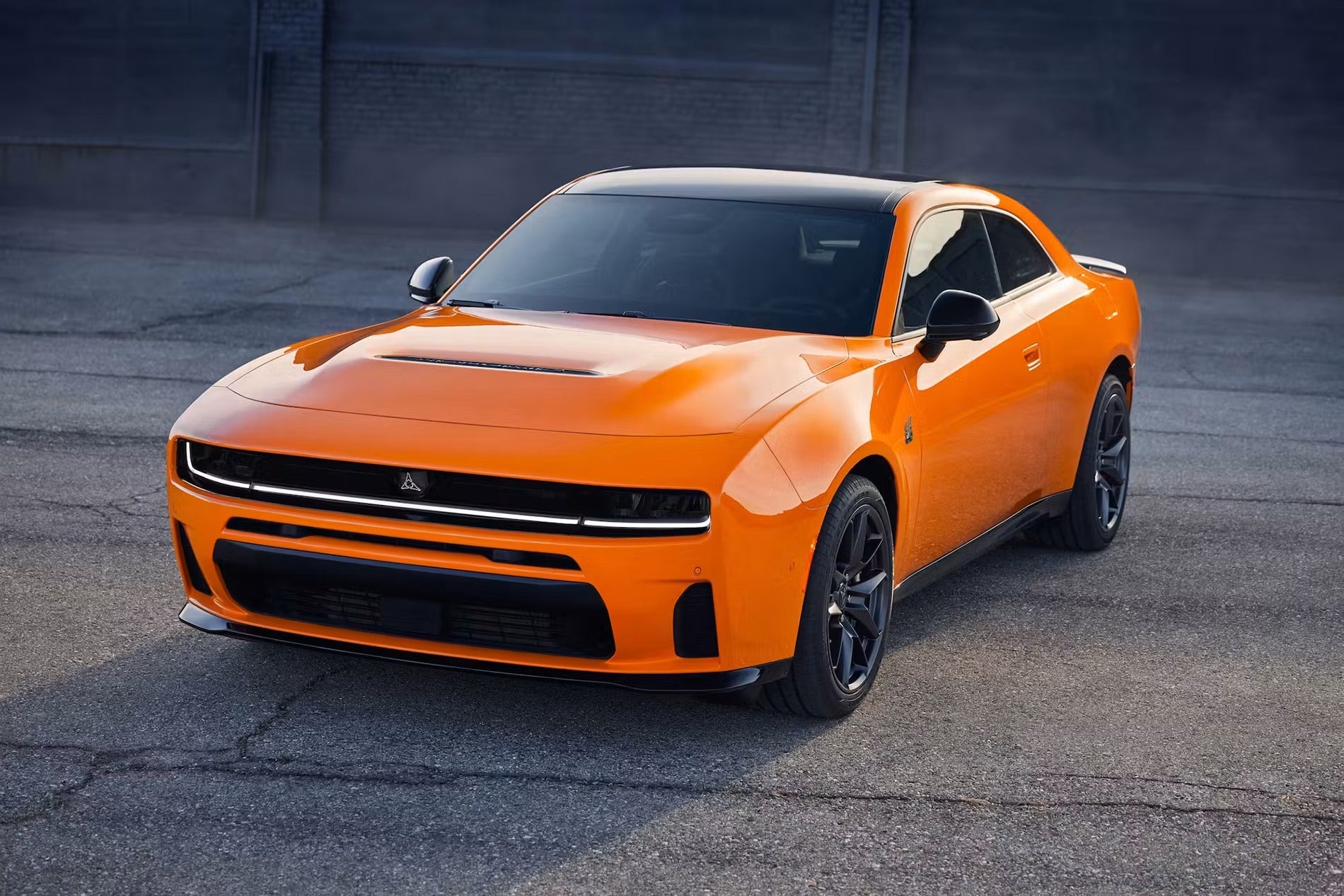
- 420 hp and 469 lb-ft of torque
- Standard all-wheel drive in this comparison
- Seats 5 with much stronger rear-seat space
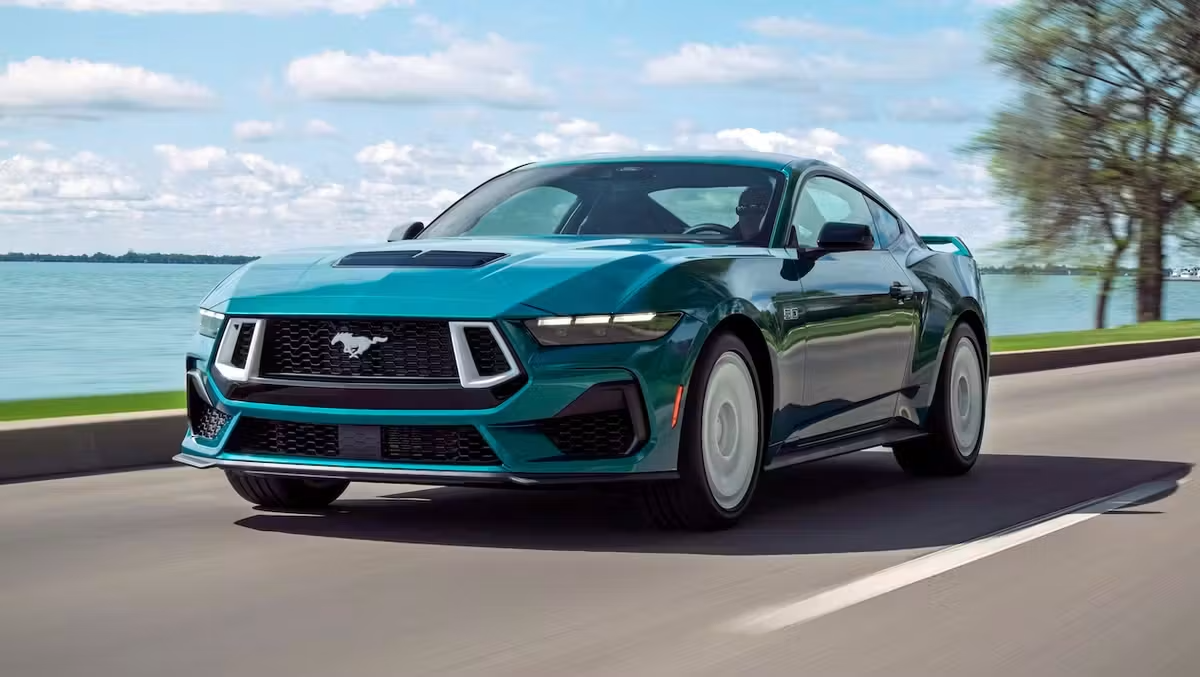
- Lower starting MSRP
- Better EPA fuel economy
- Higher Edmunds rating in this matchup
The Mustang Costs Less. The Charger Gives You More Car.
The Mustang wins the lower-price and fuel-economy arguments, and its editorial score is stronger in the data you provided. But the Charger answers with a much bigger swing in performance and space.
With 420 horsepower, 469 lb-ft of torque, standard all-wheel drive, seating for five, and far more rear-seat room, the Charger feels like the more substantial and more versatile performance car. If you want something that still feels exciting but is easier to live with every day, the Dodge has a very real advantage.
What shoppers should know
- The Charger is dramatically more powerful in this comparison.
- The Charger offers all-wheel drive; the Mustang is rear-wheel drive.
- The Charger gives you a usable rear seat for adults.
- The Mustang wins on price and fuel economy.
- The Charger feels more like a modern muscle grand tourer than a smaller coupe.
Fast Comparison
Where the Dodge Charger Makes the Stronger Case
Big power advantage
The Charger R/T brings 420 horsepower and 469 lb-ft of torque from its turbocharged inline-six, which is a major jump over the Mustang EcoBoost’s 315 horsepower and 350 lb-ft.
Real back-seat usability
The Charger is simply more accommodating. It seats five instead of four and offers much more rear head room, leg room, and shoulder room than the Mustang.
More everyday confidence
All-wheel drive gives the Charger a practical edge in this comparison, especially for drivers who want muscle-car performance without giving up year-round usability.
2026 Dodge Charger vs. 2026 Ford Mustang
| Category | 2026 Dodge Charger | 2026 Ford Mustang |
|---|---|---|
| Starting MSRP | $51,990 | $34,635 |
| Average Price Paid | $49,447 | $32,607 |
| Invoice | $50,490 | $33,330 |
| Edmunds Rating | 5.7 / 10 | 7.2 / 10 |
| Consumer Rating | 5 / 5 stars | 4.4 / 5 stars |
| Basic Warranty | 3 yr. / 36,000 mi. | 3 yr. / 36,000 mi. |
| Drivetrain Warranty | 5 yr. / 60,000 mi. | 5 yr. / 60,000 mi. |
| Roadside Assistance | 5 yr. / 60,000 mi. | 5 yr. / 60,000 mi. |
| Bluetooth | Standard | Standard |
| Navigation | Optional | Optional |
| Satellite Radio | Standard | Available on other styles |
| Adaptive Cruise Control | Standard | Available on other styles |
| Parking Assistance | Optional | Standard |
| Engine Power | 420 hp @ 5,200 rpm | 315 hp @ 5,500 rpm |
| Engine Torque | 469 lb-ft @ 3,500 rpm | 350 lb-ft @ 3,000 rpm |
| Engine Displacement | 3.0 l | 2.3 l |
| Engine Configuration | Inline 6 | Inline 4 |
| Drivetrain | All wheel drive | Rear wheel drive |
| Transmission | 8-speed shiftable automatic | 10-speed shiftable automatic |
| City / Hwy / Combined MPG | – | 22 / 33 / 26 |
| Fuel Capacity | 17.5 gal. | 16.0 gal. |
| Length | 206.6 in. | 189.4 in. |
| Height | 58.9 in. | 55.0 in. |
| Wheelbase | 121.0 in. | 107.0 in. |
| Width Without Mirrors | 79.8 in. | 75.4 in. |
| Seating Capacity | 5 | 4 |
| Cargo Space, Rear Seat Down | 22.8 cu. ft. | – |
| Front Head Room | 39.1 in. | 37.6 in. |
| Front Leg Room | 42.6 in. | 44.5 in. |
| Front Shoulder Room | 59.5 in. | 56.3 in. |
| Rear Head Room | 36.9 in. | 34.8 in. |
| Rear Leg Room | 37.2 in. | 29.0 in. |
| Rear Shoulder Room | 57.6 in. | 52.2 in. |
| Country of Final Assembly | Canada | United States |
Why More Shoppers May Still Prefer the Charger
It feels like more than a small coupe
The Mustang sticks to the classic coupe recipe, but the Charger feels bigger, bolder, and more substantial. For many buyers, that extra presence is part of the appeal.
It is easier to live with
With room for five, much stronger rear-seat dimensions, and more cargo flexibility with the rear seat folded, the Charger makes a stronger everyday case.
It delivers serious turbocharged muscle
The Charger’s turbo inline-six gives it real muscle-car energy while also bringing a more modern performance feel than a smaller four-cylinder rival.
Choosing Between Value and Presence
The Mustang makes a very straightforward argument. It costs less, earns the stronger Edmunds score in the data you provided, and delivers much better published fuel-economy numbers.
But the Charger is aimed at shoppers who want more presence, more room, more power, and more real-world usability. It gives you all-wheel drive, a stronger engine, more passenger space, and a more substantial shape that feels closer to a grand-touring muscle car than a smaller coupe.
That is what makes the Charger such an appealing alternative: it is not just trying to be the cheaper sports coupe. It is offering a bigger, stronger, more versatile take on modern performance.
Dodge Charger vs. Ford Mustang FAQs
Which car is more powerful, the 2026 Dodge Charger or the 2026 Ford Mustang?
The 2026 Dodge Charger is more powerful in this comparison, with 420 horsepower and 469 lb-ft of torque versus 315 horsepower and 350 lb-ft for the Mustang EcoBoost.
Which car has more interior room?
The Charger offers more usable space overall, especially in the rear seat, where it provides far more leg room and shoulder room than the Mustang.
Which one is cheaper?
The Ford Mustang starts lower at $34,635, while the Dodge Charger starts at $51,990 in the comparison you provided.
Does the Dodge Charger offer all-wheel drive?
Yes. In this comparison, the 2026 Dodge Charger R/T Coupe is listed with all-wheel drive, while the Mustang EcoBoost is rear-wheel drive.
Why would someone choose the Charger over the Mustang?
Many shoppers would choose the Charger because it offers more power, more seating capacity, more rear-seat usability, and a bigger, more substantial muscle-car feel.
Which car gets better fuel economy?
The Mustang has the published fuel-economy advantage here at 22 / 33 / 26 mpg, while the Charger figures were not listed in the data you provided.