




Walk onto any truck lot and you'll hear people talk about "half-tons," "three-quarter-tons" and "one-tons" as if everyone knows exactly what those words mean. But a modern half-ton can carry far more than half a ton, and the window sticker never mentions tons at all. So what do the labels actually mean, and which one do you need?
The short answer
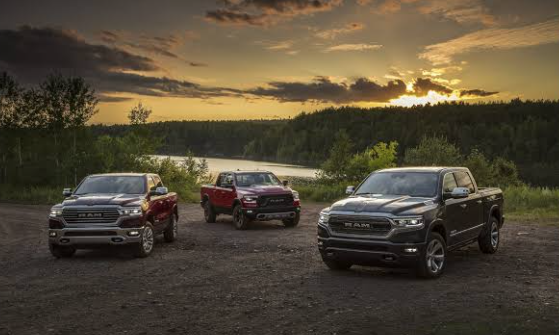
A half-ton is a light-duty full-size pickup like the Ram 1500. A three-quarter-ton is a heavy-duty pickup like the Ram 2500, and a one-ton is the heaviest-duty pickup, like the Ram 3500. The names are tradition, not today's real capacity. To pick the right truck, compare payload, towing capacity and GVWR for the exact configuration, not the nickname.
In this guide, we'll explain where the "ton" names came from, how Ram's 1500, 2500 and 3500 line up today, what really separates a light-duty truck from a heavy-duty one, and how to match a truck to what you tow and haul. Whether you're pulling a boat to Lake of the Ozarks, hauling a camper to a state park or running a work truck around Lee's Summit, you'll know which class makes sense before you ever take a test drive.
Where the "Ton" Names Came From
The terms go back to the early 1900s, when the military and truck makers rated trucks by how much cargo they could carry. A half-ton truck was rated to haul about 1,000 pounds, a three-quarter-ton about 1,500 pounds and a one-ton about 2,000 pounds.
Trucks have changed dramatically since then. Frames, axles, suspensions, brakes and engines have all become far stronger, and today's pickups carry and tow many times what their great-grandparents could. But the nicknames stuck around because they're an easy shorthand for "light-duty," "heavy-duty" and "heaviest-duty."
Automakers themselves have mostly moved on. Ram and GM use model numbers (1500, 2500, 3500), Ford uses F-150, F-250 and F-350, and you won't see the word "ton" in Ram's official specs. When a salesperson or a friend says "half-ton," they simply mean a 1500-series truck.
How Ram's 2026 Lineup Lines Up
Here's how the three Ram pickups compare using Ram's published 2026 maximums. Remember that a maximum applies only to one specific, properly equipped configuration. The truck you're looking at may be rated lower.
| Model | Nickname | Max towing | Max payload | Engines |
|---|---|---|---|---|
| Ram 1500 | Half-ton | 11,610 lb | 2,360 lb | 3.6L Pentastar V6, 3.0L Hurricane twin-turbo I6 (standard and high output), 5.7L HEMI V8 |
| Ram 2500 | Three-quarter-ton | 20,000 lb | 3,930 lb | 6.4L HEMI V8, 6.7L Cummins High-Output turbo diesel |
| Ram 3500 | One-ton | 36,610 lb | 7,590 lb | 6.4L HEMI V8, 6.7L Cummins High-Output turbo diesel |
A few details worth knowing:
- Ram 1500 towing varies a lot by engine. When properly equipped, the Pentastar V6 is rated up to 8,130 pounds, the standard-output Hurricane up to 11,610 pounds, the HEMI up to 11,320 pounds and the high-output Hurricane up to 10,000 pounds.
- The Ram 2500 tops out at 20,000 pounds with the High-Output Cummins, and the highest payload comes with the gas 6.4L HEMI.
- The Ram 3500's 36,610-pound rating comes with the High-Output Cummins. The 7,590-pound payload maximum is for the gas HEMI version.
- Only the 3500 offers dual rear wheels, often called a "dually." The 2500 has single rear wheels.
What Actually Separates Light-Duty From Heavy-Duty
From the outside, a Ram 1500 and a Ram 2500 look like close cousins. Underneath, they're built for very different jobs.
Frame and suspension
Heavy-duty trucks use a stronger frame and much stiffer springs to support heavy loads. The Ram 1500 is tuned for ride comfort first, which is why it's popular as a daily driver. A 2500 or 3500 rides firmer when the bed is empty, because its suspension is built for thousands of pounds of weight it isn't carrying.
Axles and brakes
Heavy-duty trucks use larger axles, bigger brakes and heavier-duty wheel bearings. Those parts are what allow them to stop and control much heavier trailers safely.
Engines
The Ram 1500's engines are built around a balance of power, refinement and fuel economy. The heavy-duty trucks offer the 6.4L HEMI V8 and the Cummins turbo diesel, which is known for enormous low-end torque that makes heavy trailers easier to get moving and control on hills.
Gross vehicle weight rating (GVWR)
This is the real dividing line. GVWR is the maximum the truck can weigh with passengers, cargo and fuel. Heavy-duty trucks have much higher GVWRs, which is what gives them their higher payload and towing capacity.
The Official Truck Classes Behind the Nicknames
The federal government groups vehicles by GVWR. Here's where pickups typically fall:
- Class 1 (up to 6,000 lb): many midsize pickups.
- Class 2a (6,001 to 8,500 lb): half-ton pickups like the Ram 1500.
- Class 2b (8,501 to 10,000 lb): three-quarter-ton pickups like the Ram 2500.
- Class 3 (10,001 to 14,000 lb): one-ton pickups like the Ram 3500.
Those lines aren't always neat. Some heavy-duty configurations, including certain 2026 Ram 2500 models, carry GVWRs above 10,000 pounds. That's another reason to check the specific truck rather than relying on the model name.
The 8,500-pound line also explains something buyers often notice: heavy-duty pickups don't have EPA fuel economy ratings on the window sticker. According to FuelEconomy.gov, vehicles over 8,500 pounds GVWR aren't covered by fuel economy regulations, so they aren't tested or rated.
The Numbers That Matter More Than the Name
If you remember one thing from this guide, make it this: the brochure maximum is not your truck's rating. Here are the numbers to check, and where to find them.
Payload
Payload is the total weight the truck can carry, including passengers, cargo in the bed and cab, accessories like a toolbox or bed cover, and the tongue weight of any trailer. Your truck's exact payload is printed on the Tire and Loading Information label inside the driver's door jamb. Options like a bigger engine, four-wheel drive, a larger cab or premium features add weight and reduce payload.
Towing capacity
This is the maximum trailer weight the truck can pull when properly equipped. It depends on the engine, axle ratio, cab, bed length, drivetrain and hitch. Ask for the rating for the specific truck, not the model line.
Tongue weight
Tongue weight is how much of the trailer's weight presses down on the hitch. A common guideline is 10 to 15 percent of the trailer's loaded weight for a conventional ball-hitch trailer, and 15 to 25 percent for a fifth-wheel or gooseneck. That weight counts against your payload, which is why payload often runs out before towing capacity does.
GVWR and GCWR
GVWR is the maximum the truck can weigh, fully loaded. GCWR, or gross combined weight rating, is the maximum the truck and trailer can weigh together. Staying under both is essential for safe braking, steering and handling, and for keeping drivetrain components within their design limits.
Putting it together: a quick example
Say you're looking at a Ram 1500 whose door label shows a 1,700-pound payload, and you want to tow a 7,000-pound travel trailer. At 12 percent, the trailer's tongue weight is about 840 pounds. Add two adults at 350 pounds and 200 pounds of gear, and you're at 1,390 pounds, which fits under the 1,700-pound payload. Add two kids, a dog, a cooler and a generator, though, and you can run out of payload quickly, even though 7,000 pounds is well under the truck's towing rating.
Which Truck Fits Your Life?
Here's a practical way to think about it, based on how people actually use their trucks around the Kansas City area.
Choose a half-ton (Ram 1500) if you:
- Use your truck as a daily driver and want the most comfortable ride
- Tow occasionally, like a boat, a pair of jet skis, a utility trailer or a smaller camper
- Haul weekend loads like mulch, furniture or sporting gear
- Want the best fuel economy and the easiest parking in a full-size truck
Choose a three-quarter-ton (Ram 2500) if you:
- Tow a large travel trailer often or over long distances
- Plow snow or carry a heavy slide-in camper
- Haul heavy tools, equipment or materials for work
- Want extra margin so you're not towing at the edge of your truck's limits
Choose a one-ton (Ram 3500) if you:
- Pull a large fifth-wheel camper or a gooseneck livestock or equipment trailer
- Need the highest payload for heavy loads in the bed
- Want dual rear wheels for extra stability with very heavy trailers
- Use your truck as a serious work vehicle every day
Leave yourself some headroom
Many experienced towers follow a rule of thumb of keeping their usual trailer at about 80 percent of the truck's rated towing capacity or less. It's not an official rating, but the extra margin makes long trips, strong crosswinds on I-70 and steep grades on the way to the Ozarks noticeably less stressful.
Gas or Diesel? The Big Heavy-Duty Decision
Once you've decided you need a 2500 or 3500, the next question is usually which engine. Ram offers two for 2026: the 6.4L HEMI V8 gas engine and the 6.7L Cummins High-Output turbo diesel.
The 6.4L HEMI V8
The gas HEMI makes 405 horsepower and 429 lb-ft of torque. It costs less up front, uses regular gasoline, doesn't need diesel exhaust fluid and has simpler routine maintenance. It's also the engine behind the highest published payload ratings for both the 2500 and 3500, because a gas engine weighs less than the diesel and leaves more of the truck's GVWR for cargo. It's a strong choice if you mostly carry heavy loads in the bed, plow snow or tow moderately heavy trailers on shorter trips.
The 6.7L Cummins High-Output turbo diesel
The Cummins produces 430 horsepower and an enormous 1,075 lb-ft of torque. That torque arrives low in the rev range, so heavy trailers get moving easily and the truck doesn't have to work as hard on long grades. It's the engine behind the top towing ratings: up to 20,000 pounds in the 2500 and up to 36,610 pounds in the 3500 when properly equipped. Diesels also tend to deliver better fuel economy than big gas engines when towing heavy loads over long distances.
The tradeoffs are a higher purchase price, diesel exhaust fluid refills, larger oil changes and more expensive fuel filters. As a general rule, if you tow heavy trailers often and far, the diesel earns its keep. If you tow occasionally or mostly haul in the bed, the HEMI is often the smarter buy.
Towing Equipment That Matters at Every Size
The right truck is only half of a safe towing setup. Whichever class you choose, pay attention to these:
- Hitch rating: your hitch receiver and ball mount have their own ratings. The lowest-rated component in the setup sets your real limit.
- Weight-distributing hitch: for heavier conventional trailers, this spreads tongue weight across the truck's axles and the trailer, improving steering and braking. Your owner's manual lists when one is required.
- Trailer brake controller: trailers with electric brakes need a brake controller in the truck. Many Ram trucks offer an integrated controller that lets you adjust trailer braking from the dash.
- Fifth-wheel or gooseneck prep: if you plan to tow a fifth-wheel camper or gooseneck trailer, look for a heavy-duty truck with the factory prep package, which adds mounting points in the bed.
- Towing mirrors and cameras: wide trailers need extended mirrors, and trailer camera systems make backing up and changing lanes much easier.
- Tow/haul mode: this adjusts transmission shift points for heavy loads, which helps control speed on downhill grades and reduces transmission heat.
The Tradeoffs of Going Bigger
It's tempting to buy the biggest truck "just in case," but heavier-duty trucks come with tradeoffs:
- Ride comfort: heavy-duty trucks ride firmer, especially with an empty bed.
- Fuel costs: bigger engines and heavier trucks generally use more fuel, and diesel prices are often higher than gas.
- Maintenance: diesel engines need diesel exhaust fluid and have larger, pricier oil changes and fuel filters.
- Size: heavy-duty trucks are taller and longer, which can make parking garages and drive-thrus tricky.
- Price: heavy-duty trucks, especially diesels, cost more to buy.
On the other hand, if you regularly tow heavy loads, a heavy-duty truck will feel more stable and work less hard, which can mean less wear over time. The right answer is the smallest truck that comfortably handles what you actually tow and haul, with some margin.
Kansas City Driving Considerations
Where and how you drive matters as much as what you tow. A few things to think about here in the metro:
- Crosswinds on open highways: stretches of I-70 and US-50 can be windy, and tall travel trailers act like sails. Heavier trucks with more margin feel noticeably more stable.
- Hills on the way to the lake: the drive to Lake of the Ozarks or Table Rock includes long grades that are easier with more torque and headroom.
- Winter weather: if you plow snow or tow in winter, four-wheel drive and a heavier-duty truck are worth considering. Plowing usually calls for a heavy-duty truck with the right prep package.
- Daily commuting: if your truck mostly carries you to work in Kansas City traffic, a half-ton's ride, fuel economy and easier parking may matter more than maximum capability.
Common Mistakes Truck Buyers Make
- Shopping by the brochure maximum. Only one configuration reaches it. Check the actual truck's ratings.
- Forgetting about payload. Tongue weight, passengers and accessories all count against it.
- Using the trailer's empty weight. Trailers get much heavier once you add water, propane, food and gear. Use the loaded weight or the trailer's GVWR.
- Buying for a "someday" trailer. If the big camper is years away, a 1500 may serve you better now.
- Skipping the right hitch equipment. Heavier conventional trailers often call for a weight-distributing hitch, and a trailer brake controller is essential for trailers with electric brakes. Your owner's manual lists the requirements.
Comparing brands, too? Our Ram 1500 vs. Silverado vs. F-150 comparison breaks down how the top half-tons stack up.
Frequently Asked Questions
What's the difference between payload and towing capacity?
Payload is the weight a truck can carry in the cab and bed, including the trailer's tongue weight. Towing capacity is the maximum trailer weight it can pull. Both matter, and payload is often the limit you hit first.
Is the Ram 1500 a half-ton truck?
Yes. The Ram 1500 is Ram's half-ton, or light-duty full-size, pickup. When properly equipped, the 2026 Ram 1500 can tow up to 11,610 pounds and carry up to 2,360 pounds of payload.
Is the Ram 2500 a three-quarter-ton truck?
Yes. The Ram 2500 is Ram's three-quarter-ton, or heavy-duty, pickup. When properly equipped with the High-Output Cummins turbo diesel, the 2026 Ram 2500 can tow up to 20,000 pounds.
Is a one-ton truck the same as a dually?
Not always. A dually has two wheels on each side of the rear axle. The Ram 3500 one-ton is available with single or dual rear wheels, and the Ram 2500 has single rear wheels only.
Why don't heavy-duty trucks have an EPA mpg rating?
Pickups with a GVWR over 8,500 pounds are classified as heavy-duty and aren't covered by fuel economy regulations, so they aren't tested or rated by the EPA.
What does "when properly equipped" mean?
Maximum towing and payload numbers only apply to a specific combination of engine, axle ratio, cab, bed, drivetrain and towing equipment. A truck with different options may have lower ratings, so always check the ratings for the exact truck you're buying.
Do I need a heavy-duty truck for a fifth-wheel camper?
Usually, yes. Fifth-wheel campers put 15 to 25 percent of their weight on the truck, which quickly exceeds most half-ton payloads. Most fifth-wheel owners choose a 2500 or 3500 with the factory fifth-wheel and gooseneck prep package.
Where can I find my truck's payload capacity?
Look at the Tire and Loading Information label on the driver's door jamb. It lists the maximum combined weight of passengers and cargo for that specific truck.
Can a half-ton truck tow a travel trailer?
Many can. Compare the trailer's loaded weight to your truck's towing capacity, and make sure the tongue weight plus passengers and cargo stays under the payload on your door label.
Find Your Right-Size Ram at McCarthy CDJR
Not sure whether a Ram 1500, 2500 or 3500 is the right fit? Bring your trailer's weight, or just tell us what you plan to tow and haul, and our team at McCarthy Jeep Ram Chrysler Dodge will match you with the right configuration. We'll walk you through the real numbers on the door label so there are no surprises, and we'll make sure you have the right hitch and brake controller setup before you head out.
We're located at 1051 SE Oldham Parkway in Lee's Summit, just off US-50, and we serve truck buyers from Blue Springs, Raymore, Independence, Belton and across the Kansas City metro. Browse our Ram inventory or call us at (816) 441-5389 to set up a test drive.