




Thanksgiving and the winter holidays are some of the busiest road trip seasons of the year. For many families in Lee's Summit and across the Kansas City area, that means loading up the Jeep, Ram, Durango or Pacifica and heading to grandma's house in St. Louis, Springfield, Wichita, Omaha or farther. AAA projected a record 81.8 million Americans would travel for Thanksgiving 2025, and nearly 90% of them planned to drive. A little preparation before you leave can make the difference between a smooth trip and a long wait on the shoulder of I-70.
The short answer
Before a holiday road trip, check your tires (pressure and tread), battery, wiper blades and washer fluid, engine oil, coolant, brakes and lights. Pack a winter emergency kit, check road conditions and the forecast along your entire route and plan extra time for traffic and weather. If you're due for service or something doesn't feel right, have your vehicle inspected a week or two before you leave, not the night before.
In this guide, you'll find a complete holiday road trip checklist: what to check on your vehicle, what to pack, how to plan your route for Midwest winter weather, tips for traveling with kids and pets and what to do if you get stuck. We'll also cover a few Jeep, Ram, Dodge and Chrysler features that can make long holiday drives easier. Print it, screenshot it or share it with whoever's riding shotgun.
Why a Pre-Trip Check Matters More in Winter
A long highway drive puts steady demands on your vehicle: hours at highway speed, a full load of passengers and luggage and, in late November and December, cold temperatures that are hard on batteries, tires and fluids. Small issues that you don't notice around town, like a slow tire leak, a weak battery or worn wiper blades, can turn into real problems when you're 200 miles from home on a dark, sleety evening.
Missouri and Kansas winters are unpredictable. A trip can start under clear skies in Lee's Summit and end in freezing rain on I-44 or blowing snow on I-70 in central Kansas. The goal of a pre-trip check isn't to make your vehicle perfect. It's to catch the most common problems before they leave you stranded, and to make sure you're prepared if something does go wrong.
Plan to do your vehicle check at least a week before you leave. That gives you time to order parts, replace tires or schedule service without rushing. Service departments, including ours, get busy right before major holidays, so booking early helps.
Part 1: Your Vehicle Checklist
Tires
Your tires are the only part of your vehicle that touches the road, so they come first.
- Check pressure when the tires are cold, before you drive or after the vehicle has been parked for a few hours. Inflate to the pressure on the tire placard on the driver's door jamb or in your owner's manual. Don't use the maximum pressure printed on the tire sidewall.
- Remember that cold weather lowers tire pressure. A tire that was correct in October may be low in December, which is why tire pressure warning lights often come on during the first cold mornings of the season.
- Check tread depth. NHTSA says tread should be at least 2/32 of an inch. You can use the penny test: place a penny upside down in the tread. If you can see the top of Lincoln's head, the tread is worn to about 2/32 inch and the tire should be replaced. For winter driving, many experts recommend replacing tires well before they reach that point, because traction on snow and slush drops as tread wears.
- Look for damage, such as cuts, bulges, cracks or objects stuck in the tread.
- Check the spare tire, if your vehicle has one. Make sure it's inflated and that you know where the jack and lug wrench are. Some vehicles come with a tire repair kit instead of a spare, so know which one you have.
Battery
Cold weather reduces a battery's ability to deliver power, and engines need more power to start in the cold. If your battery is several years old, or if your engine has been cranking slowly, have it tested before your trip. Most battery tests take just a few minutes. Also check the terminals for corrosion and make sure the battery is secure.
Wiper blades and washer fluid
Holiday driving often means road spray, salt and slush. Replace wiper blades that streak, chatter or skip. Fill the washer fluid reservoir with a winter-rated fluid that won't freeze, and bring an extra jug. A dirty, salt-covered windshield can become impossible to see through in minutes if you run out of fluid.
Engine oil and other fluids
- Engine oil: If your oil change indicator shows you're close to due, or your oil change is due within the next few hundred miles, have it changed before the trip. A long round trip can easily add more than 1,000 miles.
- Coolant (antifreeze): Check the level in the coolant reservoir with the engine cool. Never open a hot radiator or coolant cap. Coolant protects your engine from freezing as well as overheating.
- Brake fluid, power steering fluid and transmission fluid: Have these checked during your pre-trip service if you're not sure how to check them yourself. Some vehicles don't have a dipstick for the transmission.
Brakes
A loaded vehicle takes longer to stop, especially in wet or icy conditions. If you hear squealing or grinding, feel a pulsation in the brake pedal, notice the vehicle pulling to one side when you brake or see a brake warning light, have your brakes inspected before you leave.
Lights
Walk around your vehicle with the lights on: headlights (low and high beams), taillights, brake lights, turn signals, hazard lights and, if you're towing, trailer lights. Clean foggy or dirty headlight lenses. Short winter days mean you'll likely drive part of your trip in the dark.
Warning lights
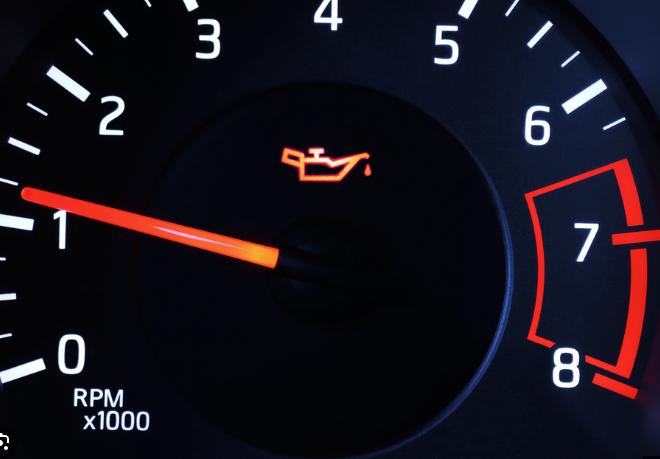
Don't start a long trip with a warning light on. A check engine light, tire pressure warning, brake warning or oil pressure warning needs attention before you leave. If you're not sure what a symbol means, check your owner's manual or ask our service team.
Heating, defrost and HVAC
Make sure your heater and defroster work properly, and that the rear defroster clears the back window. A weak defroster can make driving in freezing rain or fog dangerous. If your vehicle has heated seats, a heated steering wheel or heated mirrors, make sure they're working too.
4WD or AWD system
If you drive a Jeep or a Ram with four-wheel drive, make sure you know how to engage it and that it works before you need it. On part-time 4WD systems, 4WD should generally be used on slippery surfaces, not dry pavement. Check your owner's manual for how your specific system works. Remember: four-wheel drive and all-wheel drive help you accelerate, but they don't help you stop or turn on ice. Slow down regardless.
Part 2: What to Pack
Winter emergency kit
NHTSA recommends keeping an emergency kit in your vehicle for winter driving. Based on its guidance, a good holiday road trip kit includes:
- A snow shovel, snow brush and ice scraper
- Sand or kitty litter for traction if you get stuck
- Jumper cables or a portable jump starter
- A flashlight with extra batteries
- Warning devices, such as reflective triangles or flares
- A first aid kit
- Blankets and extra warm clothing, including hats and gloves
- A phone charger
- Water and non-perishable food
- Any necessary medications
Road trip essentials
- Your driver's license, vehicle registration and proof of insurance
- Roadside assistance contact information (check whether you have coverage through your vehicle warranty, insurance or an auto club)
- A paper map or downloaded offline maps, in case you lose cell service
- A tire pressure gauge
- A basic tool kit and a pair of work gloves
- Paper towels, wet wipes and trash bags
- Sunglasses: low winter sun and snow glare can be blinding
Packing tips
- Don't overload your vehicle. Check the Tire and Loading Information placard on the driver's door jamb. It shows the maximum combined weight of passengers and cargo. Holiday gifts, luggage and a full family can add up faster than you think.
- Secure heavy items. Loose cargo can become dangerous in a sudden stop. Put heavier items low and forward in the cargo area, and use cargo nets or tie-downs.
- Check roof rack limits. If you use a rooftop cargo box, check your owner's manual for the roof rack load limit, and remember a roof box can affect fuel economy and handling in crosswinds.
- Keep your view clear. Don't stack luggage so high that it blocks your rear window. Some newer vehicles offer a digital rearview mirror, which can help when cargo blocks the view.
- In a pickup, protect cargo from weather. A tonneau cover or weatherproof bags keep luggage and gifts dry in the bed.
Part 3: Plan Your Route
Check road conditions before you go
Check conditions for your entire route, not just the weather in Lee's Summit. Useful resources include:
- MoDOT Traveler Information Map: MoDOT's map at traveler.modot.org/map shows road conditions, work zones and incidents across Missouri, and it's also available as an app. You can call 888-ASK-MODOT (888-275-6636) for current conditions 24 hours a day.
- KanDrive: the Kansas Department of Transportation's road conditions site (kandrive.gov) covers Kansas highways, including I-70, I-35 and I-135.
- 511 services in neighboring states, including Iowa, Nebraska, Oklahoma and Illinois.
- National Weather Service forecasts for your route and destination, at weather.gov.
Plan for traffic
Holiday travel periods bring heavier traffic, especially the afternoon before Thanksgiving and the Sunday after. If your schedule allows, leaving early in the morning or traveling on Thanksgiving Day itself can mean lighter traffic. Around the Kansas City area, expect heavier traffic on I-70, I-435, I-470, I-49 and US-50.
Build in extra time
Add extra time to your trip for traffic, weather, fuel stops and breaks. Don't plan your departure so tightly that you feel pressure to rush through bad weather. If the forecast looks bad, consider leaving a day early or waiting until conditions improve.
Plan rest and fuel stops
Drowsy driving is dangerous. Plan to stop every two hours or so to stretch, and switch drivers if you can. Keep your fuel tank at least half full in winter, so you have fuel to run the engine for heat if you're delayed or stranded.
Share your plans
Let someone know your route and expected arrival time, especially if you're driving through rural areas. Check in when you stop and when you arrive.
Part 4: Traveling with Kids and Pets
Kids
- Car seats: Make sure each car seat is installed correctly and suits the child's age and size. NHTSA advises that heavy winter coats can interfere with a proper harness fit. Buckle children in without bulky coats, then place a blanket or their coat over them for warmth.
- Entertainment: Pack books, games, headphones and downloaded shows or movies. If your vehicle has a rear-seat entertainment system or Wi-Fi hotspot, make sure it's set up before you leave.
- Snacks and breaks: Plan for more frequent stops with young children. Pack easy, non-messy snacks.
- Comfort: Pack a small bag in the cabin with a change of clothes, wipes, a small blanket and anything your kids need to sleep.
Pets
- Secure your pet in a crate or with a pet restraint designed for vehicle use. An unrestrained pet can be a distraction and can be hurt in a sudden stop.
- Pack food, water, bowls, medications, waste bags and a leash.
- Plan pet-friendly stops, and never leave a pet alone in a vehicle in extreme temperatures.
- Bring vaccination records, especially if you'll be staying at a hotel or crossing state lines.
Part 5: On the Road
Drive for the conditions
Slow down on wet, icy or snowy roads, and leave extra following distance. Bridges and overpasses freeze before other road surfaces. Avoid using cruise control on slippery roads. If you start to skid, ease off the accelerator and steer in the direction you want to go.
Put the phone down
Missouri's hands-free law, which took effect in August 2023, prohibits drivers from holding or supporting a phone while driving, with some exceptions such as hands-free use. Kansas prohibits texting while driving. Set your navigation before you leave, and let a passenger handle the phone. Many Jeep, Ram, Dodge and Chrysler vehicles with Uconnect offer Apple CarPlay and Android Auto compatibility, which lets you use navigation, calls and music through the touchscreen and voice commands.
Move over
Missouri's Move Over law requires drivers to move over a lane, or slow down if they can't move over safely, when approaching stopped emergency vehicles and MoDOT vehicles with flashing lights. Kansas has a similar law. Holiday travel often brings more crashes and stranded drivers, so stay alert.
Watch for fatigue
If you find yourself yawning, drifting or missing exits, pull over somewhere safe and rest. Switching drivers, taking a short nap at a rest area or stopping for the night is better than pushing through.
Part 6: What to Do If You Get Stuck or Stranded
Even with good preparation, things can go wrong. NHTSA recommends the following if you're stranded in winter weather:
- Stay with your vehicle. It provides shelter and makes you easier to find. Avoid overexerting yourself, especially shoveling in the cold.
- Make your vehicle visible. Put bright markers on the antenna or windows, and keep the interior dome light on.
- Keep the exhaust pipe clear of snow. A blocked exhaust pipe can cause carbon monoxide to build up inside the vehicle.
- Run the engine only briefly to stay warm. Don't run it for long periods with the windows up or in an enclosed space.
If you have a breakdown, get your vehicle as far off the road as possible, turn on your hazard lights and call for help. If you have roadside assistance through your vehicle warranty, a service contract, your insurance or an auto club, keep the number handy. Many newer Stellantis vehicles also offer connected services through Uconnect, which may include features like SOS calling and roadside assistance calling, depending on the vehicle, equipment and subscription. Check what your vehicle has before your trip.
Helpful Features in Jeep, Ram, Dodge and Chrysler Vehicles
Many of today's Stellantis vehicles include features that make holiday road trips easier. Availability varies by model, model year, trim and package, so check your vehicle's equipment:
- Adaptive cruise control: helps maintain a set following distance on the highway. Remember to turn it off on slippery roads.
- Blind-spot monitoring and rear cross-path detection: helpful in heavy holiday traffic and crowded parking lots.
- Heated seats, heated steering wheel and remote start: make cold mornings more comfortable.
- Apple CarPlay and Android Auto compatibility: lets you use navigation, music and calls hands-free.
- Selec-Terrain and four-wheel drive systems on Jeep vehicles and available four-wheel drive on Ram trucks: help on snowy roads and slippery driveways.
- Stow 'n Go seating in the Chrysler Pacifica: helps with holiday cargo, like gifts and luggage.
If you're not sure how to use a feature, a quick review of your owner's manual or a visit to our dealership can help before your trip.
Your Printable Holiday Road Trip Checklist
| When | Task |
|---|---|
| 1–2 weeks before | Schedule service if you're due for an oil change or have any warning lights; have the battery tested; inspect tires and replace if needed |
| 1–2 weeks before | Replace wiper blades; check coolant and other fluid levels; check brakes and lights |
| A few days before | Assemble your winter emergency kit; check car seat installation; confirm roadside assistance coverage |
| The day before | Check tire pressure (cold); fill washer fluid; fill the fuel tank; pack and secure cargo; download offline maps and entertainment |
| Departure day | Check road conditions and weather for your whole route; clear all snow and ice from the vehicle; share your route and arrival time |
| On the road | Stop every two hours or so; keep the tank at least half full; drive for the conditions; put the phone down |
Frequently Asked Questions
What should I check on my car before a road trip?
Check tire pressure and tread, the battery, wiper blades and washer fluid, engine oil, coolant, brakes, lights and any warning lights. If you're due for service or something doesn't feel right, have your vehicle inspected before you leave.
How far in advance should I get my car serviced before a holiday trip?
About one to two weeks before you leave is a good target. That gives you time to replace parts or tires if needed, and service departments often get busy right before major holidays.
What should be in a winter car emergency kit?
NHTSA recommends a snow shovel, broom and ice scraper; sand or kitty litter for traction; jumper cables; a flashlight; warning devices like flares; a first aid kit; blankets; a phone charger; water, food and any necessary medicine.
How do I check road conditions in Missouri and Kansas?
Use MoDOT's Traveler Information Map at traveler.modot.org/map or call 888-ASK-MODOT for Missouri, and KanDrive at kandrive.gov for Kansas. Check the National Weather Service forecast for your route, too.
Should kids wear winter coats in car seats?
NHTSA advises that heavy coats can interfere with a proper harness fit. Buckle children in without bulky coats, then place a blanket or coat over them for warmth.
What should I do if I get stranded in winter weather?
Stay with your vehicle, make it visible, keep the exhaust pipe clear of snow and run the engine only briefly to stay warm. Call for help as soon as you can.
Does four-wheel drive help me stop on ice?
No. Four-wheel drive and all-wheel drive help with traction when accelerating, but they don't help you stop or steer on ice. Slow down and leave extra following distance regardless of your drivetrain.
Is it legal to use my phone while driving in Missouri?
Missouri's hands-free law prohibits drivers from holding or supporting a phone while driving, with certain exceptions. Hands-free use, such as voice commands through Apple CarPlay or Android Auto, is allowed.
Get Road-Trip Ready at McCarthy CDJR in Lee's Summit
Before you head out for the holidays, let the service team at McCarthy Jeep Ram Chrysler Dodge help you get ready. We can handle oil changes, battery testing, tire inspections and replacement, brake inspections, wiper blades and multi-point inspections for Jeep, Ram, Dodge and Chrysler vehicles. Schedule a week or two before your trip to get the best choice of appointment times.
We're located at 1051 SE Oldham Parkway in Lee's Summit, just off US-50, serving drivers from Blue Springs, Raymore, Independence, Belton, Grain Valley, Greenwood, Overland Park and across the Kansas City metro. Schedule service online or call us at (816) 441-5389.