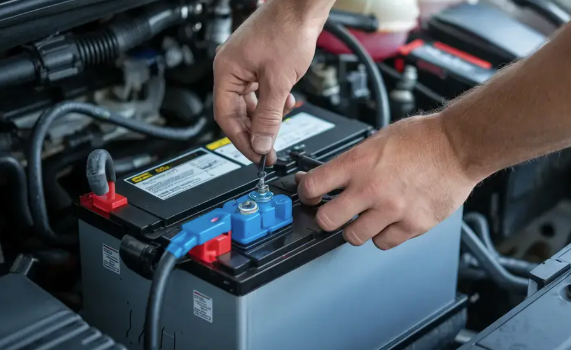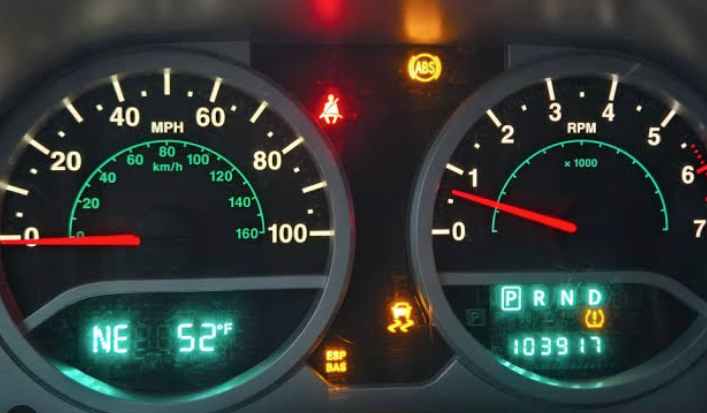





You just changed your oil, or picked up your Jeep or Ram from a quick-lube shop, and the "Oil Change Required" message is still glowing on your dashboard. It's one of the most common questions we hear from drivers in Lee's Summit: how do I make that reminder go away? The good news is that on most Jeep, Ram, Dodge and Chrysler vehicles, resetting the oil change indicator takes less than a minute, and you don't need any tools.
The short answer
Most Stellantis vehicles offer two ways to reset the oil change light. Method 1: with the ignition on and the engine off, use the steering wheel buttons to go to Vehicle Info, then Oil Life, and select Reset. Method 2: with the ignition on and the engine off, slowly press the accelerator pedal all the way to the floor three times within ten seconds, then turn the ignition off. Start the vehicle to confirm the message is gone. Only reset it after the oil and filter have actually been changed.
In this guide, we'll walk through both reset methods step by step, explain how the steps differ for push-button and key-start vehicles, cover what to do if the light won't reset and explain why resetting the indicator correctly matters for your engine. We'll also share tips for doing your own oil change and when it makes sense to let our Lee's Summit service team handle it.
What the Oil Change Light Actually Means
Before you reset anything, it helps to know what the indicator is telling you. Most Jeep, Ram, Dodge and Chrysler vehicles use an oil change indicator system, sometimes called an oil life monitor. According to Stellantis owner's manuals, the system is based on the engine's duty cycle, which means it estimates oil life from how the vehicle is actually driven, not just from mileage.
When the system decides an oil change is due, it displays a message like "Oil Change Required" or "Oil Change Due," often with a single chime. After the oil is changed, the system doesn't know the job has been done. Someone has to tell it by resetting the indicator, so it can start counting down again from 100%.
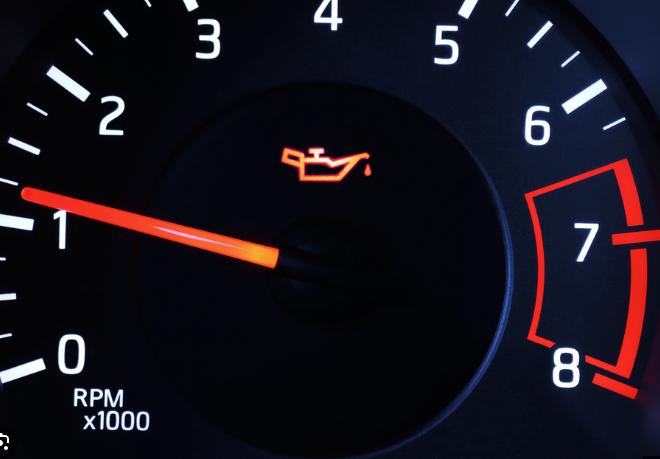
The oil change message is a maintenance reminder. It's different from the red oil pressure warning light, which looks like an oil can and means the engine has low oil pressure. If the red oil pressure light comes on, pull over safely and shut off the engine. Don't try to reset it. Our dashboard warning lights guide explains the difference.
Before You Reset: A Quick Checklist
- Make sure the oil and filter have actually been changed. Resetting the indicator without changing the oil just hides the reminder.
- Check the oil level. Confirm the oil is filled to the correct level with the type listed in your owner's manual.
- Park somewhere safe with the transmission in Park.
- Have your owner's manual handy. Menu names and button layouts can vary slightly by model and year.
Method 1: Reset Through the Instrument Cluster Menu
This is the primary method on many newer Stellantis vehicles. Here are the steps from the Ram 2500/3500 owner's manual. Most Jeep, Ram, Dodge and Chrysler vehicles with steering-wheel display controls follow a very similar path.
- Turn the ignition on without starting the engine. Without pressing the brake pedal, push the ENGINE START/STOP button to put the ignition in the ON/RUN position. Don't start the engine.
- Scroll to Vehicle Info. Use the down arrow button on the steering wheel to scroll to "Vehicle Info."
- Open the Oil Life screen. Press the right arrow to enter Vehicle Info, then scroll up or down to "Oil Life."
- Select Reset. Press and hold the right arrow to select "Reset."
- Confirm. Press the down arrow to select "Yes," then press the right arrow to reset oil life to 100%.
- Exit. Press the up arrow to leave the menu.
On some models, the menu may be labeled slightly differently, or you may confirm with an "OK" button instead of an arrow. If you don't see these exact labels, look for an oil life or vehicle information screen in your instrument cluster menu and check the "Engine Oil Life Reset" section of your owner's manual.
Method 2: The Accelerator Pedal Reset
This is the classic Mopar reset method, and it's listed in Stellantis owner's manuals as a secondary method. It works on many Jeep, Ram, Dodge and Chrysler vehicles, including those without a reset option in the display menu.
For vehicles with push-button start
- Turn the ignition on without starting the engine. Without pressing the brake pedal, push the ENGINE START/STOP button once to put the ignition in ON/RUN.
- Press the accelerator three times. Slowly press the accelerator pedal all the way to the floor three times within ten seconds.
- Turn the ignition off. Without pressing the brake pedal, push the ENGINE START/STOP button once to return the ignition to OFF.
- Check your work. Start the vehicle. If the oil change message doesn't appear, the reset worked.
For vehicles with a traditional key
On older vehicles with a turn key, the process is generally the same: turn the key to the ON/RUN position without starting the engine, slowly press the accelerator to the floor three times within ten seconds, then turn the key back to the OFF or LOCK position. Confirm the exact steps in your owner's manual, since older models can differ slightly.
Tips for the pedal method
- Go slowly and fully. Press the pedal all the way to the floor each time, at a steady pace. Pressing too fast or not far enough is the most common reason it doesn't work.
- Don't touch the brake. On push-button vehicles, pressing the brake while pushing the start button can start the engine instead of just turning on the ignition.
- Watch the clock. All three presses need to happen within about ten seconds.
Quick Reference: Reset Methods
| Method | Steps | Best for |
|---|---|---|
| Instrument cluster menu | Ignition on, engine off; Vehicle Info, then Oil Life, then Reset; confirm Yes | Newer vehicles with steering-wheel display controls |
| Accelerator pedal (push-button start) | Ignition on without the brake; press the pedal to the floor slowly three times within 10 seconds; ignition off | Most push-button Jeep, Ram, Dodge and Chrysler vehicles |
| Accelerator pedal (key start) | Key to ON without starting; press the pedal to the floor slowly three times within 10 seconds; key to OFF | Older key-start models; confirm in your manual |
Model-by-Model Notes
While the two methods above cover most vehicles, here's what to keep in mind for each brand. Steps can vary by model year, trim and instrument cluster, so your owner's manual is always the final word.
Jeep
Most Jeep models, including the Wrangler, Gladiator, Compass, Cherokee and Grand Cherokee, support one or both reset methods. Newer models with larger digital clusters often have an "Engine Oil Life Reset" option in the instrument cluster display menu. For example, the 2023 Grand Cherokee owner's manual lists Engine Oil Life Reset under its Instrument Cluster Display section. We also have a dedicated guide for resetting the oil change light on a 2026 Jeep Compass.
Wagoneer and Grand Wagoneer
The Wagoneer's owner's manual also covers Engine Oil Life Reset in its instrument cluster display section. Its manual notes that an authorized dealer resets the indicator after an oil change, and that the oil should be changed within about 500 miles of the message appearing.
Ram
Ram 1500, 2500 and 3500 trucks typically use the instrument cluster menu method described above, with the accelerator pedal method as a backup. On Cummins diesel models, you may also see a separate "Perform Service" message for emissions-related maintenance. That's a different reminder with its own reset procedure, described in the owner's manual.
Dodge
Dodge Charger and Durango models generally follow the same instrument cluster or accelerator pedal methods. Performance models may have additional performance pages in their displays, but the oil life reset is usually found under vehicle information or settings.
Chrysler
Chrysler Pacifica owners can usually reset the indicator using the instrument cluster menu or the accelerator pedal method. Check the "Oil Change Indicator" or "Engine Oil Life Reset" section of the owner's manual for your model year.
What If the Oil Change Light Won't Reset?
If the message comes back when you start the vehicle, the reset didn't take. The Ram owner's manual simply says to repeat the procedure. If it still won't reset, try these fixes:
- Start over with the engine off. Make sure the engine is fully off before turning the ignition to ON/RUN.
- Don't start the engine. The reset needs to be done with the ignition on and the engine off.
- Slow down your pedal presses. Press the accelerator all the way to the floor each time, steadily, within ten seconds.
- Try the other method. If the pedal method doesn't work, try the instrument cluster menu, and vice versa.
- Check for other messages. If a different warning is showing, it may need attention first.
- Call your service department. If nothing works, the system may need to be reset with a diagnostic tool. Our technicians can take care of it quickly.
When You Should Not Reset the Oil Change Light
- When the oil hasn't been changed. The indicator exists to protect your engine. Resetting it without changing the oil just means you'll lose track of when the next change is really due.
- When the red oil pressure light is on. That's a warning about low oil pressure, not a maintenance reminder. Stop driving and have the vehicle checked.
- When the oil level is low. Top off or change the oil first.
If your oil change is overdue, our guide on how long you can drive with an overdue oil change explains what to do.
Common Mistakes to Avoid
- Starting the engine. Both reset methods require the ignition to be on with the engine off. On push-button vehicles, pressing the brake while pushing the start button will start the engine.
- Rushing the pedal. Quick, partial taps often don't register. Press the pedal all the way to the floor, slowly and steadily.
- Resetting the wrong item. Some displays show other service reminders or trip meters. Make sure you're resetting oil life, not a trip odometer or another reminder.
- Forgetting to confirm. In the menu method, you usually need to select "Yes" to finish the reset.
- Resetting too early. Reset only after the oil and filter have been changed and the oil level is correct.
Other Service Reminders You Might See
The oil change message isn't the only maintenance reminder on newer vehicles. Depending on your model, you may also see:
- "Perform Service" on Ram Cummins diesels: a reminder for emissions-related maintenance, such as the closed crankcase ventilation filter, with its own procedure in the owner's manual.
- Tire pressure warnings: common when temperatures drop in the fall. Fill tires to the pressure on the driver's door placard.
- Low washer fluid: top off with a winter-rated fluid as the weather turns cold.
If a warning or message isn't familiar, check your owner's manual or give our service team a call.
Why Resetting Matters
It might seem like a small step, but resetting the indicator correctly protects your engine and your wallet:
- It keeps your schedule accurate. The indicator can only tell you when the next change is due if it starts counting from the right point.
- It prevents false alarms. If the indicator isn't reset, it will keep telling you the oil is due, and you may start ignoring it, which is risky when it's actually due.
- It supports your maintenance records. Following the indicator, along with keeping receipts, helps show your vehicle has been properly maintained.
Remember that the indicator isn't the only limit. Every owner's manual also lists a maximum interval in miles and months. For example, many Jeep gas models top out at 10,000 miles or 12 months, whichever comes first. Learn more in our guide, How Often Should You Change Your Oil?
Doing Your Own Oil Change? A Few Tips
Plenty of Jeep and Ram owners like doing their own maintenance. If that's you, a few tips help you do it right:
- Use the right oil. Stellantis owner's manuals call for specific oils, such as SAE 0W-20 full synthetic for the 5.7-liter HEMI and SAE 0W-40 full synthetic for the 6.4-liter HEMI. Check your manual or oil fill cap.
- Use a quality filter. A genuine Mopar filter is designed for your engine.
- Check the drain plug and filter seal. Make sure the old filter gasket came off with the filter, and tighten the drain plug to the correct torque.
- Fill to the correct level and recheck after running the engine briefly and letting it sit.
- Dispose of used oil properly. Many auto parts stores and local recycling centers around the Kansas City area accept used motor oil and filters.
- Keep records. Save receipts for oil and filters, and write down the date and mileage. Records help with warranty claims and resale value.
- Reset the indicator using one of the methods above.
Why Let a Dealership Handle Your Oil Change?
Doing it yourself works, but a dealership oil change has advantages, especially for newer vehicles:
- The correct oil and filter, every time, matched to your exact engine
- Indicator reset included, so you don't have to fiddle with menus
- A check of other systems, like fluids, tires, brakes and battery, while your vehicle is in the shop
- Recall checks, so any open recalls can be addressed during your visit
- Factory-trained technicians who work on Jeep, Ram, Dodge and Chrysler vehicles every day
Kansas City Driving and Your Oil Life
Kansas City's weather and roads affect how quickly your oil change indicator counts down. Hot summers, cold winters, short trips around town and towing season all count as tougher conditions, and the system adjusts for them. Don't be surprised if your indicator comes on sooner in the winter or after a summer of towing a boat to Lake of the Ozarks. That's the system doing its job.
Frequently Asked Questions
How do I reset the oil change light on my Jeep?
On many Jeeps, turn the ignition on without starting the engine, then either use the steering wheel buttons to go to Vehicle Info, then Oil Life, and select Reset, or slowly press the accelerator to the floor three times within ten seconds and turn the ignition off. Start the Jeep to confirm the message is gone.
How do I reset the oil life on a Ram truck?
According to the Ram owner's manual, with the ignition on and the engine off, scroll to Vehicle Info, then Oil Life, press and hold the right arrow to select Reset, choose Yes and confirm. You can also use the accelerator pedal method as a backup.
Why won't my oil change light reset?
The most common reasons are starting the engine instead of just turning on the ignition, pressing the accelerator too quickly or not all the way to the floor, or not completing the presses within ten seconds. Repeat the procedure carefully, or try the other reset method.
Can I reset the oil light without changing the oil?
You can, but you shouldn't. The indicator is there to tell you when your oil needs to be changed. Resetting it without an oil change means you'll lose track of when the next change is truly due.
Is the oil change light the same as the oil pressure light?
No. The oil change message is a maintenance reminder. The red oil pressure warning light means low oil pressure. If it comes on, pull over safely and turn off the engine.
Do I need to reset the oil light after a dealership oil change?
No. At McCarthy CDJR, our technicians reset the oil change indicator as part of every oil change.
How often should I change my oil?
Follow your oil change indicator, and never exceed the maximum interval in your owner's manual, which for many Jeep gas models is 10,000 miles or 12 months, whichever comes first.
Let McCarthy CDJR Handle Your Next Oil Change
Skip the menus and the mess. The certified technicians at McCarthy Jeep Ram Chrysler Dodge in Lee's Summit will change your oil with the right Mopar-approved oil and filter, reset your oil change indicator and check your vehicle's other key systems while you wait. If your oil change light won't reset after a DIY change, stop by and we'll take care of it.
We're located at 1051 SE Oldham Parkway in Lee's Summit, just off US-50, serving drivers from Blue Springs, Raymore, Independence, Belton, Grain Valley, Greenwood and across the Kansas City metro. Schedule your service online or call us at (816) 441-5389.