McCarthy Jeep RAM Chrysler Dodge of Lee’s Summit

Blog

Seasonal Vehicle Maintenance for Missouri Drivers

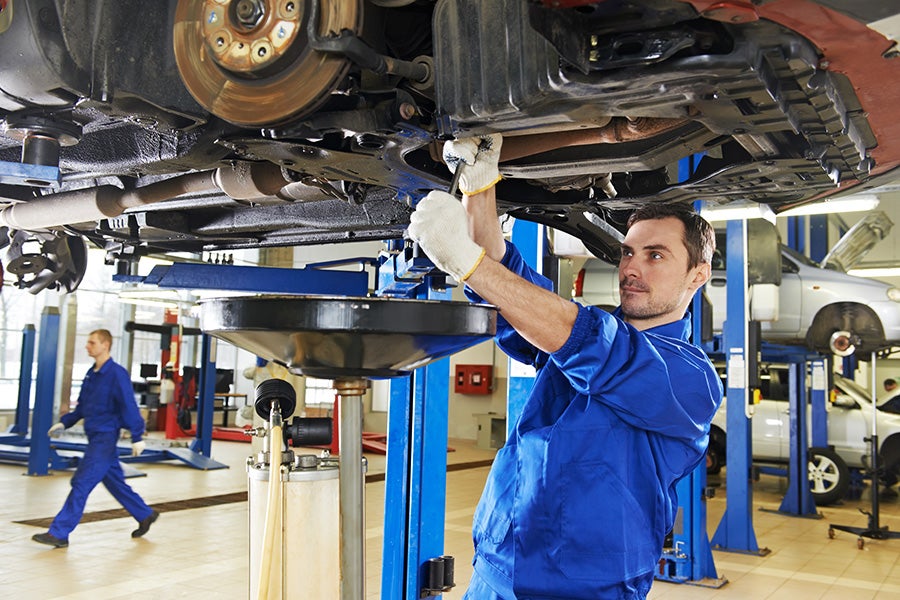
A mechanic in blue overalls and gloves working on the underside of a car lifted on a hoist in a garage.

Seasonal Vehicle Maintenance for Missouri Drivers

At McCarthy CDJR in Lee's Summit, we understand that our customers rely heavily on their vehicles year around. Missouri weather can change quickly from season to season, and those changes can have a real impact on how a vehicle performs. Seasonal auto maintenance plays an important role in keeping your car, truck, or SUV running reliably through those shifts.

By addressing maintenance needs at the right time of year, drivers can help reduce unexpected repairs, improve vehicle performance, and maintain long term reliability.

Why Seasonal Maintenance Matters

Each season brings different driving conditions to the Lee's Summit area. Temperature changes, road conditions, and driving habits all affect vehicle systems in different ways. Seasonal maintenance allows technicians to inspect and service key components before those conditions place added stress on the vehicle. At McCarthy CDJR, we often see that staying ahead of seasonal needs helps drivers avoid being stranded in inclement weather and also gives them the peace of mind that they need to drive into any season.

Preparing for Warmer Weather

As temperatures rise, certain vehicle systems deserve extra attention. Cooling systems, air conditioning performance, and fluid levels are especially important during warmer months. An inspection before summer can help ensure that your vehicle is prepared for higher temperatures and longer drives. Tire condition is also important as heat can affect tire pressure and wear.

Getting Ready for Fall and Winter

Colder weather brings its own set of challenges for vehicles in Missouri. Battery performance, braking systems, and visibility features such as wipers and lighting become especially important as temperatures drop and road conditions change. A seasonal inspection in the fall can help drivers prepare for winter driving and provide added confidence when navigating colder mornings and unpredictable weather.

Schedule Your Seasonal Maintenance Today

Stay prepared with the McCarthy Lee's Summit Chrysler, Dodge, Jeep & Ram service department. We enjoy working with area residents to conduct seasonal auto maintenance and beyond. Part of our commitment to our community is ensuring that our customers vehicles continue to be safe and reliable during any season. Schedule your seasonal maintenance today!

Recommended Posts

Half-Ton vs. Three-Quarter-Ton vs. One-Ton Trucks

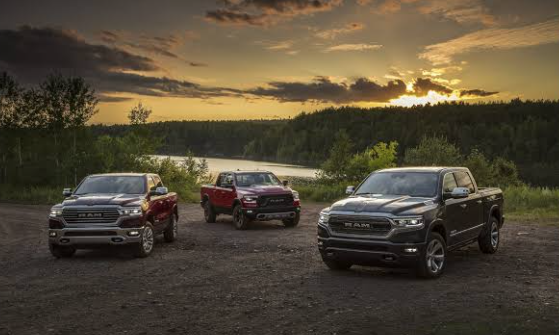
Half-Ton vs. Three-Quarter-Ton vs. One-Ton Trucks, Explained

Walk onto any truck lot and you'll hear people talk about "half-tons," "three-quarter-tons" and "one-tons" as if everyone knows exactly what those words mean. But a modern half-ton can carry far more than half a ton, and the window sticker never mentions tons at all. So what do the labels actually mean, and which one do you need? The short answer A half-ton is a light-duty full-size pickup like the Ram 1500. A three-quarter-ton is a heavy-duty pickup like the Ram 2500, and a one-ton is the heaviest-duty pickup, like the Ram 3500. The names are tradition, not today's real capacity. To pick the right truck, compare payload, towing capacity and GVWR for the exact configuration, not the nickname. In this guide, we'll explain where the "ton" names came from, how Ram's 1500, 2500 and 3500 line up today, what really separates a light-duty truck from a heavy-duty one, and how to match a truck to what you tow and haul. Whether you're pulling a boat to Lake of the Ozarks, hauling a camper to a state park or running a work truck around Lee's Summit, you'll know which class makes sense before you ever take a test drive. Where the "Ton" Names Came From The terms go back to the early 1900s, when the military and truck makers rated trucks by how much cargo they could carry. A half-ton truck was rated to haul about 1,000 pounds, a three-quarter-ton about 1,500 pounds and a one-ton about 2,000 pounds. Trucks have changed dramatically since then. Frames, axles, suspensions, brakes and engines have all become far stronger, and today's pickups carry and tow many times what their great-grandparents could. But the nicknames stuck around because they're an easy shorthand for "light-duty," "heavy-duty" and "heaviest-duty." Automakers themselves have mostly moved on. Ram and GM use model numbers (1500, 2500, 3500), Ford uses F-150, F-250 and F-350, and you won't see the word "ton" in Ram's official specs. When a salesperson or a friend says "half-ton," they simply mean a 1500-series truck. How Ram's 2026 Lineup Lines Up Here's how the three Ram pickups compare using Ram's published 2026 maximums. Remember that a maximum applies only to one specific, properly equipped configuration. The truck you're looking at may be rated lower. Model Nickname Max towing Max payload Engines Ram 1500 Half-ton 11,610 lb 2,360 lb 3.6L Pentastar V6, 3.0L Hurricane twin-turbo I6 (standard and high output), 5.7L HEMI V8 Ram 2500 Three-quarter-ton 20,000 lb 3,930 lb 6.4L HEMI V8, 6.7L Cummins High-Output turbo diesel Ram 3500 One-ton 36,610 lb 7,590 lb 6.4L HEMI V8, 6.7L Cummins High-Output turbo diesel A few details worth knowing: Ram 1500 towing varies a lot by engine. When properly equipped, the Pentastar V6 is rated up to 8,130 pounds, the standard-output Hurricane up to 11,610 pounds, the HEMI up to 11,320 pounds and the high-output Hurricane up to 10,000 pounds. The Ram 2500 tops out at 20,000 pounds with the High-Output Cummins, and the highest payload comes with the gas 6.4L HEMI. The Ram 3500's 36,610-pound rating comes with the High-Output Cummins. The 7,590-pound payload maximum is for the gas HEMI version. Only the 3500 offers dual rear wheels, often called a "dually." The 2500 has single rear wheels. What Actually Separates Light-Duty From Heavy-Duty From the outside, a Ram 1500 and a Ram 2500 look like close cousins. Underneath, they're built for very different jobs. Frame and suspension Heavy-duty trucks use a stronger frame and much stiffer springs to support heavy loads. The Ram 1500 is tuned for ride comfort first, which is why it's popular as a daily driver. A 2500 or 3500 rides firmer when the bed is empty, because its suspension is built for thousands of pounds of weight it isn't carrying. Axles and brakes Heavy-duty trucks use larger axles, bigger brakes and heavier-duty wheel bearings. Those parts are what allow them to stop and control much heavier trailers safely. Engines The Ram 1500's engines are built around a balance of power, refinement and fuel economy. The heavy-duty trucks offer the 6.4L HEMI V8 and the Cummins turbo diesel, which is known for enormous low-end torque that makes heavy trailers easier to get moving and control on hills. Gross vehicle weight rating (GVWR) This is the real dividing line. GVWR is the maximum the truck can weigh with passengers, cargo and fuel. Heavy-duty trucks have much higher GVWRs, which is what gives them their higher payload and towing capacity. The Official Truck Classes Behind the Nicknames The federal government groups vehicles by GVWR. Here's where pickups typically fall: Class 1 (up to 6,000 lb): many midsize pickups. Class 2a (6,001 to 8,500 lb): half-ton pickups like the Ram 1500. Class 2b (8,501 to 10,000 lb): three-quarter-ton pickups like the Ram 2500. Class 3 (10,001 to 14,000 lb): one-ton pickups like the Ram 3500. Those lines aren't always neat. Some heavy-duty configurations, including certain 2026 Ram 2500 models, carry GVWRs above 10,000 pounds. That's another reason to check the specific truck rather than relying on the model name. The 8,500-pound line also explains something buyers often notice: heavy-duty pickups don't have EPA fuel economy ratings on the window sticker. According to FuelEconomy.gov, vehicles over 8,500 pounds GVWR aren't covered by fuel economy regulations, so they aren't tested or rated. The Numbers That Matter More Than the Name If you remember one thing from this guide, make it this: the brochure maximum is not your truck's rating. Here are the numbers to check, and where to find them. Payload Payload is the total weight the truck can carry, including passengers, cargo in the bed and cab, accessories like a toolbox or bed cover, and the tongue weight of any trailer. Your truck's exact payload is printed on the Tire and Loading Information label inside the driver's door jamb. Options like a bigger engine, four-wheel drive, a larger cab or premium features add weight and reduce payload. Towing capacity This is the maximum trailer weight the truck can pull when properly equipped. It depends on the engine, axle ratio, cab, bed length, drivetrain and hitch. Ask for the rating for the specific truck, not the model line. Tongue weight Tongue weight is how much of the trailer's weight presses down on the hitch. A common guideline is 10 to 15 percent of the trailer's loaded weight for a conventional ball-hitch trailer, and 15 to 25 percent for a fifth-wheel or gooseneck. That weight counts against your payload, which is why payload often runs out before towing capacity does. GVWR and GCWR GVWR is the maximum the truck can weigh, fully loaded. GCWR, or gross combined weight rating, is the maximum the truck and trailer can weigh together. Staying under both is essential for safe braking, steering and handling, and for keeping drivetrain components within their design limits. Putting it together: a quick example Say you're looking at a Ram 1500 whose door label shows a 1,700-pound payload, and you want to tow a 7,000-pound travel trailer. At 12 percent, the trailer's tongue weight is about 840 pounds. Add two adults at 350 pounds and 200 pounds of gear, and you're at 1,390 pounds, which fits under the 1,700-pound payload. Add two kids, a dog, a cooler and a generator, though, and you can run out of payload quickly, even though 7,000 pounds is well under the truck's towing rating. Which Truck Fits Your Life? Here's a practical way to think about it, based on how people actually use their trucks around the Kansas City area. Choose a half-ton (Ram 1500) if you: Use your truck as a daily driver and want the most comfortable ride Tow occasionally, like a boat, a pair of jet skis, a utility trailer or a smaller camper Haul weekend loads like mulch, furniture or sporting gear Want the best fuel economy and the easiest parking in a full-size truck Choose a three-quarter-ton (Ram 2500) if you: Tow a large travel trailer often or over long distances Plow snow or carry a heavy slide-in camper Haul heavy tools, equipment or materials for work Want extra margin so you're not towing at the edge of your truck's limits Choose a one-ton (Ram 3500) if you: Pull a large fifth-wheel camper or a gooseneck livestock or equipment trailer Need the highest payload for heavy loads in the bed Want dual rear wheels for extra stability with very heavy trailers Use your truck as a serious work vehicle every day Leave yourself some headroom Many experienced towers follow a rule of thumb of keeping their usual trailer at about 80 percent of the truck's rated towing capacity or less. It's not an official rating, but the extra margin makes long trips, strong crosswinds on I-70 and steep grades on the way to the Ozarks noticeably less stressful. Gas or Diesel? The Big Heavy-Duty Decision Once you've decided you need a 2500 or 3500, the next question is usually which engine. Ram offers two for 2026: the 6.4L HEMI V8 gas engine and the 6.7L Cummins High-Output turbo diesel. The 6.4L HEMI V8 The gas HEMI makes 405 horsepower and 429 lb-ft of torque. It costs less up front, uses regular gasoline, doesn't need diesel exhaust fluid and has simpler routine maintenance. It's also the engine behind the highest published payload ratings for both the 2500 and 3500, because a gas engine weighs less than the diesel and leaves more of the truck's GVWR for cargo. It's a strong choice if you mostly carry heavy loads in the bed, plow snow or tow moderately heavy trailers on shorter trips. The 6.7L Cummins High-Output turbo diesel The Cummins produces 430 horsepower and an enormous 1,075 lb-ft of torque. That torque arrives low in the rev range, so heavy trailers get moving easily and the truck doesn't have to work as hard on long grades. It's the engine behind the top towing ratings: up to 20,000 pounds in the 2500 and up to 36,610 pounds in the 3500 when properly equipped. Diesels also tend to deliver better fuel economy than big gas engines when towing heavy loads over long distances. The tradeoffs are a higher purchase price, diesel exhaust fluid refills, larger oil changes and more expensive fuel filters. As a general rule, if you tow heavy trailers often and far, the diesel earns its keep. If you tow occasionally or mostly haul in the bed, the HEMI is often the smarter buy. Towing Equipment That Matters at Every Size The right truck is only half of a safe towing setup. Whichever class you choose, pay attention to these: Hitch rating: your hitch receiver and ball mount have their own ratings. The lowest-rated component in the setup sets your real limit. Weight-distributing hitch: for heavier conventional trailers, this spreads tongue weight across the truck's axles and the trailer, improving steering and braking. Your owner's manual lists when one is required. Trailer brake controller: trailers with electric brakes need a brake controller in the truck. Many Ram trucks offer an integrated controller that lets you adjust trailer braking from the dash. Fifth-wheel or gooseneck prep: if you plan to tow a fifth-wheel camper or gooseneck trailer, look for a heavy-duty truck with the factory prep package, which adds mounting points in the bed. Towing mirrors and cameras: wide trailers need extended mirrors, and trailer camera systems make backing up and changing lanes much easier. Tow/haul mode: this adjusts transmission shift points for heavy loads, which helps control speed on downhill grades and reduces transmission heat. The Tradeoffs of Going Bigger It's tempting to buy the biggest truck "just in case," but heavier-duty trucks come with tradeoffs: Ride comfort: heavy-duty trucks ride firmer, especially with an empty bed. Fuel costs: bigger engines and heavier trucks generally use more fuel, and diesel prices are often higher than gas. Maintenance: diesel engines need diesel exhaust fluid and have larger, pricier oil changes and fuel filters. Size: heavy-duty trucks are taller and longer, which can make parking garages and drive-thrus tricky. Price: heavy-duty trucks, especially diesels, cost more to buy. On the other hand, if you regularly tow heavy loads, a heavy-duty truck will feel more stable and work less hard, which can mean less wear over time. The right answer is the smallest truck that comfortably handles what you actually tow and haul, with some margin. Kansas City Driving Considerations Where and how you drive matters as much as what you tow. A few things to think about here in the metro: Crosswinds on open highways: stretches of I-70 and US-50 can be windy, and tall travel trailers act like sails. Heavier trucks with more margin feel noticeably more stable. Hills on the way to the lake: the drive to Lake of the Ozarks or Table Rock includes long grades that are easier with more torque and headroom. Winter weather: if you plow snow or tow in winter, four-wheel drive and a heavier-duty truck are worth considering. Plowing usually calls for a heavy-duty truck with the right prep package. Daily commuting: if your truck mostly carries you to work in Kansas City traffic, a half-ton's ride, fuel economy and easier parking may matter more than maximum capability. Common Mistakes Truck Buyers Make Shopping by the brochure maximum. Only one configuration reaches it. Check the actual truck's ratings. Forgetting about payload. Tongue weight, passengers and accessories all count against it. Using the trailer's empty weight. Trailers get much heavier once you add water, propane, food and gear. Use the loaded weight or the trailer's GVWR. Buying for a "someday" trailer. If the big camper is years away, a 1500 may serve you better now. Skipping the right hitch equipment. Heavier conventional trailers often call for a weight-distributing hitch, and a trailer brake controller is essential for trailers with electric brakes. Your owner's manual lists the requirements. Comparing brands, too? Our Ram 1500 vs. Silverado vs. F-150 comparison breaks down how the top half-tons stack up. Frequently Asked Questions What's the difference between payload and towing capacity? Payload is the weight a truck can carry in the cab and bed, including the trailer's tongue weight. Towing capacity is the maximum trailer weight it can pull. Both matter, and payload is often the limit you hit first. Is the Ram 1500 a half-ton truck? Yes. The Ram 1500 is Ram's half-ton, or light-duty full-size, pickup. When properly equipped, the 2026 Ram 1500 can tow up to 11,610 pounds and carry up to 2,360 pounds of payload. Is the Ram 2500 a three-quarter-ton truck? Yes. The Ram 2500 is Ram's three-quarter-ton, or heavy-duty, pickup. When properly equipped with the High-Output Cummins turbo diesel, the 2026 Ram 2500 can tow up to 20,000 pounds. Is a one-ton truck the same as a dually? Not always. A dually has two wheels on each side of the rear axle. The Ram 3500 one-ton is available with single or dual rear wheels, and the Ram 2500 has single rear wheels only. Why don't heavy-duty trucks have an EPA mpg rating? Pickups with a GVWR over 8,500 pounds are classified as heavy-duty and aren't covered by fuel economy regulations, so they aren't tested or rated by the EPA. What does "when properly equipped" mean? Maximum towing and payload numbers only apply to a specific combination of engine, axle ratio, cab, bed, drivetrain and towing equipment. A truck with different options may have lower ratings, so always check the ratings for the exact truck you're buying. Do I need a heavy-duty truck for a fifth-wheel camper? Usually, yes. Fifth-wheel campers put 15 to 25 percent of their weight on the truck, which quickly exceeds most half-ton payloads. Most fifth-wheel owners choose a 2500 or 3500 with the factory fifth-wheel and gooseneck prep package. Where can I find my truck's payload capacity? Look at the Tire and Loading Information label on the driver's door jamb. It lists the maximum combined weight of passengers and cargo for that specific truck. Can a half-ton truck tow a travel trailer? Many can. Compare the trailer's loaded weight to your truck's towing capacity, and make sure the tongue weight plus passengers and cargo stays under the payload on your door label. Find Your Right-Size Ram at McCarthy CDJR Not sure whether a Ram 1500, 2500 or 3500 is the right fit? Bring your trailer's weight, or just tell us what you plan to tow and haul, and our team at McCarthy Jeep Ram Chrysler Dodge will match you with the right configuration. We'll walk you through the real numbers on the door label so there are no surprises, and we'll make sure you have the right hitch and brake controller setup before you head out. We're located at 1051 SE Oldham Parkway in Lee's Summit, just off US-50, and we serve truck buyers from Blue Springs, Raymore, Independence, Belton and across the Kansas City metro. Browse our Ram inventory or call us at (816) 441-5389 to set up a test drive. Browse Ram Inventory

Jeep Dashboard Warning Lights

Jeep Dashboard Warning Lights: What Every Symbol Means

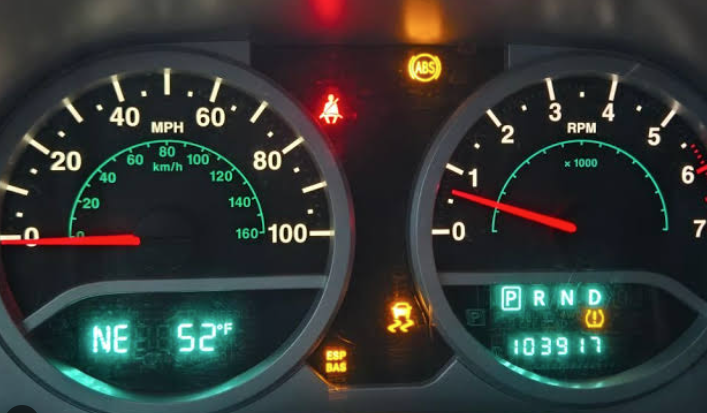
You're cruising down I-470 when a little symbol you've never noticed before lights up on the dash. Is it serious? Can you keep driving? Do you need to pull over right now, or can it wait until the weekend? Every Jeep owner has had that moment, and the answer isn't always obvious when you're looking at a tiny orange icon at 65 mph. The short answer Start with the color. Red means stop safely and check the problem now. Yellow or amber means something needs attention soon, but you can usually keep driving carefully. Green, white and blue lights simply tell you a system is on. A flashing light is almost always more urgent than the same light glowing steadily. In this guide, we'll walk through the warning lights and indicators you're most likely to see on a Jeep Wrangler, Gladiator, Grand Cherokee, Compass, Cherokee or Wagoneer, what each one means and exactly what to do next. We've based it on the official Jeep and Stellantis owner's manuals, plus what our service team in Lee's Summit sees in the shop every week. Keep it bookmarked, or better yet, use it alongside the owner's manual in your glove box, since every model and trim has a few symbols of its own. Start With the Color: What Each Light Color Means Jeep groups its dashboard symbols by color, and the color is the fastest way to judge how urgent a light is. Jeep's owner's manuals sort them into red warning lights, yellow warning lights and indicator lights in yellow, green, white and blue. Color What it means What to do Red A safety issue or a problem that can damage the vehicle Pull over when it's safe and check it now. Some red lights mean you shouldn't keep driving. Yellow or amber A system needs attention or has a fault Keep driving carefully and schedule service soon. Green A system is on and working Nothing. It's information only. White A system is ready or available Nothing. It's information only. Blue High beams are on Dim them for oncoming traffic. One important exception: on Jeep 4x4 models, some yellow lights are simply indicators. The 4WD, 4WD Low and sway bar disconnect lights on a Wrangler, for example, are yellow because they're reminding you that an off-road system is engaged, not because something is wrong. We'll cover those below. Why every light comes on when you start your Jeep When you turn the ignition on, many warning lights light up for a few seconds and then go out. That's a self-check, and it's normal. It's actually a problem if a light like the check engine, airbag or ABS light does not come on during startup, because that can mean the warning system itself isn't working. Jeep's manuals recommend having it inspected if that happens. Red Warning Lights: Stop Safely and Check Now Red lights are the ones you shouldn't ignore. Some, like the seat belt or door open light, are easy to fix on the spot. Others mean continuing to drive could damage the engine or transmission or affect your safety. Oil pressure warning light Looks like: an old-fashioned oil can with a drip. This light means the engine's oil pressure is low. It's one of the most serious lights on the dash. Jeep's manuals say to pull over and shut off the engine as soon as it's safe, and not to drive the vehicle until the problem is fixed. The light doesn't tell you how much oil is in the engine, so check the level with the dipstick or the vehicle information display once the engine is off. Even if the oil level looks fine, have the vehicle towed or inspected before driving it again. Low oil pressure can destroy an engine in a very short time. Don't confuse this light with the "Oil Change Required" message, which is just a maintenance reminder. Our guide on how long you can drive with an overdue oil change explains the difference. Engine coolant temperature warning light Looks like: a thermometer sitting in wavy lines of liquid. Your engine is overheating. You'll usually hear a chime, too. According to Jeep's manuals, pull over safely, turn off the air conditioning, shift into Neutral and let the engine idle so the temperature can come down. If it doesn't return to normal, shut the engine off and call for service. Never open the radiator or coolant reservoir cap on a hot engine; the coolant is under pressure and can cause serious burns. Overheating is most common in summer stop-and-go traffic, when towing or after a coolant leak. If you also see a yellow low coolant level light, the cause may be as simple as low coolant, but it still needs to be checked for a leak. Oil temperature warning light Looks like: an oil can with a thermometer. The engine oil is running hotter than it should. This is more likely when you're towing, crawling slowly off-road on a hot day or climbing long grades. Pull over safely, turn off the engine and let the oil cool before continuing. If it happens repeatedly, have the cooling and lubrication systems checked. Transmission temperature warning light Looks like: a gear with a thermometer in the middle. The transmission fluid is too hot, which often happens with heavy towing or long, slow off-road climbs. Jeep's manuals say to pull over, put the vehicle in Park or Neutral and let the engine idle until the light goes out, then you can continue. Don't keep driving with this light on: overheated fluid can boil over onto hot engine or exhaust parts and create a fire risk, and it will eventually cause serious transmission damage. Battery charge warning light Looks like: a car battery with plus and minus signs. The battery isn't being charged properly. That usually points to a problem with the alternator, a belt or the charging system's wiring. When this light is on, your Jeep is running on battery power alone, and it may stall once the battery runs down. Turn off nonessential electrical items like heated seats and the radio, and head straight to a service department. Don't plan on making a long trip first. Brake warning light Looks like: an exclamation point inside a circle with brackets on each side, sometimes with the word "BRAKE." This light has a few possible meanings: The parking brake is set. Release it and the light should go out. The brake fluid is low, which usually means there's a leak in the brake system. There's a hydraulic or brake booster fault. You may feel the pedal pulse or hear the ABS pump run. If the brake light and the ABS light come on together, the system that balances braking front to rear may have failed. If the light stays on after you release the parking brake, Jeep's manuals are blunt: driving with the red brake light on is dangerous, and stopping distances can be longer. Have the vehicle checked right away, and tow it if the brake pedal feels soft or low. Air bag warning light Looks like: a seated person with a large circle in front of them. The air bag system has a fault, which means an air bag may not deploy correctly in a crash. The light normally comes on for a few seconds at startup as a self-check. If it stays on, comes on while driving or doesn't light up at all during startup, have the system inspected as soon as possible. Electronic Throttle Control (ETC) warning light Looks like: a lightning bolt between two brackets. This one is especially common on Jeep, Ram, Dodge and Chrysler vehicles. It means the electronic throttle system, which controls how the engine responds to the gas pedal, has detected a problem. Steady: the vehicle is usually still drivable. Stop safely, put the vehicle in Park and turn the ignition off and back on. If the light goes out, you're fine. If it stays on, schedule service soon. Flashing: a more serious problem. You may notice reduced power, a rough or high idle or stalling. Get service immediately; the vehicle may need to be towed. The light can also come on briefly if you press the gas and brake pedals at the same time. Power steering warning light Looks like: a steering wheel with an exclamation point. There's a problem with the power steering system. Steering may take noticeably more effort, especially at low speeds and in parking lots. Drive carefully to a service department and avoid tight maneuvering until it's fixed. Other red lights Seat belt reminder: the driver or a front passenger isn't buckled. Buckle up. Door, hood or swing gate open: something isn't fully latched. Stop and close it before driving further, especially the hood. Vehicle security: on equipped models, this flashes when the security system is armed, which is normal. If it stays on while driving, the security system may have a fault. Yellow Warning Lights: Get It Checked Soon Yellow warning lights don't usually mean you need to pull over immediately, but they do mean something isn't working the way it should. Ignoring them can turn a small repair into a bigger one. Check engine light Looks like: the outline of an engine. Officially called the Malfunction Indicator Light, this is part of your Jeep's onboard diagnostic system, which monitors the engine and emissions controls. The way it lights up tells you a lot: Steady: a problem has been detected. Sometimes it's minor, like a loose gas cap or poor-quality fuel. Your Jeep will usually drive normally, but if the light stays on after several drives, schedule service. Driving for a long time with the light on can affect fuel economy and other systems. Flashing: a serious problem, often an engine misfire, that can cause sudden power loss or severe catalytic converter damage. Reduce speed and get service as soon as possible. Jeep's manuals also warn not to park over dry grass, leaves or other flammable material, because an overheated catalytic converter can start a fire. Some Jeeps also have a separate loose fuel filler cap light. If you see it, tighten the gas cap until it's secure. If the light doesn't go off after that, have it checked. Tire pressure warning light (TPMS) Looks like: a horseshoe-shaped tire cross-section with an exclamation point inside. Steady: one or more tires are below the recommended pressure. Check all four tires and fill them to the pressure listed on the label inside the driver's door, not the maximum number printed on the tire. Flashing for about a minute, then steady: the tire pressure monitoring system itself has a fault, so it may not warn you if a tire gets low. Have it checked. This is the light Kansas City drivers see most often on the first cold morning of fall. As a rule of thumb, tire pressure drops about 1 to 2 PSI for every 10-degree drop in air temperature, so a tire that was fine on a 70-degree afternoon can trigger the light at 30 degrees the next morning. Check pressures when the tires are cold, before you've driven far. And never keep driving on a flat or badly underinflated tire, since handling can be affected. ABS warning light Looks like: the letters "ABS" inside a circle. The anti-lock brake system has a fault. Your regular brakes should still work as long as the red brake warning light is off, but the anti-lock function won't, which matters most on wet or icy roads. Schedule service as soon as possible and leave extra stopping distance until then. Electronic Stability Control (ESC) lights ESC active, which looks like a vehicle with two wavy lines behind it: when this comes on while you're driving, the stability system is working to keep you from skidding. You may hear clicking or buzzing, which is normal. Ease off the gas and drive for the conditions. If the light stays on all the time, the system may have a fault and should be checked. ESC off, which is the same symbol with the word "OFF": stability control has been partially or fully turned off. Some off-road situations call for that, such as rocking out of deep snow or mud, but turn it back on when you're back on pavement. Service 4WD light The four-wheel-drive system has detected a problem and isn't working correctly. Avoid off-road driving and get it inspected promptly. On Wrangler and Gladiator models, make sure you've completed any shift between 2H, 4H and 4L fully. Follow the shifting steps in your owner's manual, since an incomplete shift can also trigger a message. Low coolant level light The coolant is below the proper level. Once the engine is completely cool, check the coolant reservoir and top it off with the coolant type listed in your owner's manual. Coolant doesn't usually disappear on its own, so have the system checked for leaks, especially before towing or a long trip. Other yellow warning lights Low fuel: time to fill up. Low washer fluid: refill the windshield washer reservoir. In winter, use a fluid rated for freezing temperatures. Service Forward Collision Warning: the forward collision system has a fault. A dirty windshield, snow or mud over the front sensor can sometimes cause it. Clean the area, and if the light stays on, have it checked. Service Stop/Start: the automatic engine stop/start system needs attention. The engine will still run normally. Sway bar fault (Rubicon models): the electronic sway bar disconnect isn't working correctly. Have it inspected before your next trail day. Air suspension fault (Grand Cherokee and Wagoneer with Quadra-Lift): the air suspension has detected a problem. Avoid changing ride height and have it checked. Cruise control or adaptive cruise control fault: cruise control won't work until the problem is fixed. Indicator Lights: Systems Doing Their Job These lights don't mean anything is wrong. They're telling you a feature is on, ready or engaged. Four-wheel-drive and off-road indicators 4WD, 4WD Part Time and 4WD Low (yellow on Wrangler and Gladiator): show which transfer case mode you're in. They're yellow as a reminder, since part-time 4WD isn't meant for dry pavement. 4WD Auto (green): the full-time four-wheel-drive mode is engaged. Sway bar (yellow, Rubicon): the front sway bar is disconnected for more wheel travel off-road. Reconnect it before driving at higher speeds on pavement. Axle lock (yellow): the rear or front and rear lockers are engaged. Unlock them for normal driving and turning on pavement. Hill Descent Control and Selec-Speed Control (white): the low-speed descent or crawl control is ready or working. Everyday indicators Stop/Start active (green): the engine has shut off at a stop to save fuel and will restart when you lift off the brake. Cruise control (white when ready, green when set): shows cruise control status. Forward Collision Warning off (yellow): the system has been turned off. You can turn it back on in the Uconnect settings. Headlights, fog lights and turn signals (green): these lights are on. High beams (blue): your high beams are on. Messages That Aren't Warning Lights Newer Jeeps also show text messages in the instrument cluster display. A few common ones: "Oil Change Required": the oil life monitor has reached 0%. It's a maintenance reminder, not an emergency. Schedule an oil change soon, and remember the monitor needs to be reset afterward. We have a guide for resetting the oil change light on a 2026 Jeep Compass. Tire pressure readings: many models show each tire's pressure, which makes it easy to see which one is low. Driving a Wrangler? Our Jeep Wrangler dashboard warning lights guide covers Wrangler-specific details. What to Do When a Warning Light Comes On Check the color and whether it's flashing. Red or flashing means act now; yellow and steady means schedule service soon. Notice how the Jeep feels. Unusual noises, smells, smoke, a soft brake pedal, overheating or a loss of power all raise the urgency. Pull over safely if it's red. Get completely off the road before checking anything under the hood. Read the message in the cluster. Many lights come with a text message that explains the issue more clearly. Look it up in your owner's manual. Every model has a few unique symbols, and the manual lists them all. Call your service department. If you're unsure whether it's safe to drive, ask. It's better to tow a vehicle a few miles than to replace an engine. Frequently Asked Questions Can I drive my Jeep with the check engine light on? If the light is steady and your Jeep drives normally, you can usually drive it for a short time, but schedule service soon. If the light is flashing, reduce speed and get service as soon as possible, because a severe misfire can damage the catalytic converter. What does the lightning bolt light mean on a Jeep? The lightning bolt between two brackets is the Electronic Throttle Control light. If it's steady, stop safely, put the vehicle in Park and restart it; if it stays on, schedule service. If it's flashing, the problem is more serious and you may need a tow. Why is my Jeep's tire pressure light on when it's cold outside? Tire pressure drops about 1 to 2 PSI for every 10-degree drop in temperature, so the first cold morning often triggers the light. Fill the tires to the pressure on the driver's door label while the tires are cold. Why are some 4WD lights on my Wrangler yellow? On Wrangler and Gladiator models, the 4WD, 4WD Low, sway bar and axle lock lights are yellow indicators. They remind you an off-road system is engaged, not that something is broken. The separate "Service 4WD" light is the one that means there's a problem. Why do all the warning lights come on when I start my Jeep? That's a normal self-check. The lights should go out within a few seconds after the engine starts. If one stays on, or if a light like the airbag or check engine light never comes on at all during startup, have the vehicle inspected. Will a warning light reset itself? Some lights go out on their own once the cause is fixed, like tightening a loose gas cap or inflating a low tire. Others stay on until a technician repairs the problem and clears the code. Warning Light On? McCarthy CDJR Can Help When a light comes on and you're not sure what it means, our Jeep-certified technicians in Lee's Summit can find out fast. We use factory diagnostic equipment to read your Jeep's codes, explain what's going on in plain language and fix it with genuine Mopar parts. We work on every Jeep model, from classic Wranglers to the latest Grand Cherokee and Wagoneer. We're located at 1051 SE Oldham Parkway in Lee's Summit, just off US-50, and we serve Jeep owners from Blue Springs, Raymore, Independence, Belton and across the Kansas City metro. Schedule your service online or call us at (816) 441-5389. If a red light means your Jeep shouldn't be driven, call us first and we'll help you figure out the next step. Schedule Jeep Service

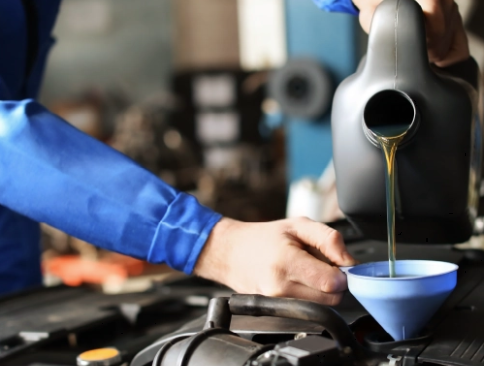
Technician checking engine oil level at McCarthy CDJR service in Lee's Summit

How Long Can You Drive With an Overdue Oil Change?

It happens to everyone. The "Oil Change Required" message pops up on your dash, you make a mental note to call the service department, and then life gets in the way. A week turns into a month, and suddenly you're wondering whether those extra miles are doing real damage. The short answer Driving a few hundred miles past your oil change is usually not a problem for a healthy engine. Driving 1,000 miles or more past due starts to cause real wear, and going several thousand miles over can lead to expensive engine damage. How much risk you're taking depends on your engine, how you drive and how much oil is actually left in the crankcase. In this guide, we'll walk through what "overdue" really means on today's Jeep, Ram, Dodge and Chrysler vehicles, how far past due is too far, the warning signs that your oil change can't wait another day, and what to do if you've already let it slide. Whether you commute on I-470 every morning, tow a boat to Lake of the Ozarks on weekends or mostly make short trips around Lee's Summit, you'll know exactly where you stand by the end. What "Overdue" Really Means on Today's Vehicles If you learned to drive when the rule was "change your oil every 3,000 miles," modern maintenance can feel confusing. Engines, oil and the computers that monitor them have all come a long way, and the 3,000-mile rule no longer applies to most vehicles on the road today. How the oil life monitor works Most Jeep, Ram, Dodge and Chrysler models use an electronic oil change indicator, often called an oil life monitor. Rather than counting miles alone, it estimates how quickly your oil is wearing out based on how the vehicle is actually driven. It considers factors such as: Engine revolutions and how hard the engine is working Engine and outside temperatures Time spent idling Short trips where the engine never fully warms up Towing and heavy loads The monitor counts down from 100%, and when it reaches 0%, you'll see a message like "Oil Change Required" on the instrument cluster. Depending on how you drive, the indicator may call for a change as early as about 3,500 miles or as late as 10,000 miles. Jeep's maintenance schedules also set a hard limit: change synthetic oil no later than 10,000 miles or 12 months, whichever comes first, even if the monitor hasn't reached 0%. Your owner's manual lists the exact limits for your vehicle and engine. Why your interval might differ from your neighbor's Two people can buy the same Jeep Grand Cherokee on the same day and need oil changes thousands of miles apart. A driver who spends 40 minutes a day cruising the highway puts relatively easy miles on the oil. A driver who makes five-minute trips to school and the grocery store, idles in drive-thru lines and sits in rush-hour traffic on Highway 50 is putting the oil through what engineers call "severe service," and the monitor will ask for a change much sooner. That's why the monitor, not a sticker on the windshield or a rule of thumb, is the best guide for when your oil is actually due. Don't forget the calendar Oil breaks down with time as well as miles. Moisture and fuel vapors collect in the oil even when the vehicle sits, and additives slowly lose their strength. If you drive very little, such as a weekend Wrangler or a second vehicle, you'll still want to change the oil at least once a year. How Far Past Due Is Too Far? There's no single number that applies to every engine, and no automaker publishes a "safe overdue" mileage. The guide below is a practical rule of thumb for thinking about risk, not a factory specification. It assumes a healthy engine with the oil level in the normal range. If your oil is low, treat every range as more serious. How far past due Risk level What to do 0 to 500 miles Low Schedule service in the next week or two. 500 to 1,000 miles Moderate Book an appointment this week and avoid towing or long, hard drives until then. 1,000 to 3,000 miles High Get it changed as soon as possible. Check the oil level today. More than 3,000 miles Very high Stop putting off service. Check the level now and drive gently until it's changed. Why the first few hundred miles are usually fine The oil life monitor builds in a margin of safety. When it says 0%, the oil hasn't suddenly stopped working; it has reached the point where engineers want it replaced before protection starts to fall off. A short delay to fit an appointment into your schedule won't typically hurt anything. Why risk climbs quickly after that Past that margin, oil's protective additives are largely used up. The oil thins out, carries more dirt and acids, and does a worse job keeping metal parts apart. Every additional mile adds wear that you can't undo with the next oil change. The damage isn't usually sudden; it builds quietly until it shows up as noise, oil consumption or a failed part. Low oil changes everything Many engines use a little oil between changes, which is normal. But an engine that's a quart or two low and also overdue is running with less oil doing more work. That combination is what leads to the worst damage, which is why checking the level is the first thing to do whenever you realize you're overdue. What Old Oil Does Inside Your Engine It helps to understand what motor oil actually does, because that explains why skipping a change matters. Oil has four main jobs: Lubrication: it keeps a thin film between moving metal parts like bearings, pistons and camshafts so they don't grind against each other. Cooling: it carries heat away from the hottest parts of the engine. Cleaning: detergents in the oil pick up soot, dirt and tiny metal particles and hold them until the filter catches them. Protection: additives neutralize acids and help prevent rust and corrosion. As oil ages, it gets worse at all four. The breakdown process Heat is oil's biggest enemy. Every time your engine runs, the oil cycles through temperatures well above the boiling point of water. Over thousands of miles, that heat breaks down the oil's molecules and burns through its additives. At the same time, small amounts of fuel, moisture and combustion byproducts slip past the piston rings and mix into the oil. The result is oil that's thinner when hot, thicker and sludgier when cold, more acidic and full of particles the filter can no longer hold. Meanwhile, the oil filter itself is filling up. Once it's saturated, a bypass valve can open to keep oil flowing, which means dirty oil circulates without being filtered. What that does to your engine over time Sludge: thick deposits form in the oil pan, valve covers and narrow oil passages. Sludge can block the oil pickup and starve parts of oil. Faster wear: bearings, cylinder walls, timing chains and camshafts wear faster when the oil film is weak or gritty. Timing chain and variable valve timing problems: many modern engines use oil pressure to adjust valve timing. Dirty oil can clog the small screens and solenoids that control it, leading to rough running and warning lights. Turbocharger damage: turbos spin at extremely high speeds and rely on clean oil for both lubrication and cooling. Overheating: degraded oil carries less heat away, which adds stress to the whole engine. Engine failure: in the worst cases, a starved bearing can spin or seize, and the repair can cost thousands of dollars or require a replacement engine. Warranty matters, too If your vehicle is still under a factory or extended warranty, following the maintenance schedule matters. Engine damage linked to missed oil changes may not be covered. Keep your receipts, whether you service with us or elsewhere, so you have a record if you ever need it. 8 Warning Signs Your Oil Change Can't Wait Your vehicle often tells you when the oil has gone past its useful life. If you notice any of these, move your oil change to the top of the list. 1. The oil pressure warning light comes on This is the most important one. The red oil pressure light, shaped like an old-fashioned oil can, means the engine isn't getting enough oil pressure. It's not the same as the oil change reminder. If it comes on while driving, pull over as soon as it's safe, turn off the engine and check the oil level. Driving with low oil pressure can destroy an engine in minutes. 2. The check engine light appears Dirty or low oil can trigger codes related to variable valve timing or engine performance. A check engine light has many possible causes, but if you're also overdue on oil, mention it when you book service. 3. The engine sounds louder than usual A healthy engine has a smooth, even sound. When oil is thin or low, you may hear ticking, tapping or knocking, especially right after a cold start before oil has fully circulated. Any new noise is worth getting checked. 4. The oil looks dark and gritty Fresh oil is amber and see-through. Oil darkens naturally as it works, so color alone doesn't tell the whole story, but oil that's jet black, thick or gritty between your fingers is overdue. 5. The level is low on the dipstick If the oil is at or below the "add" mark, top it off with the oil type listed in your owner's manual right away, then schedule a change. Frequent low readings can point to a leak or an engine burning oil. 6. You smell oil or see smoke A burning oil smell inside the cabin can mean oil is leaking onto hot exhaust parts. Blue-gray smoke from the tailpipe can mean oil is getting into the combustion chamber. Either one needs a professional look. 7. Your fuel economy drops Worn-out oil creates more friction, so the engine has to work harder. If you're suddenly filling up more often with no change in your driving, old oil could be part of the reason. 8. The engine feels sluggish or runs rough Hesitation, rough idling or less power than usual can all come from oil-related issues, especially in engines that rely on oil pressure for valve timing. How to Check Your Oil in 5 Minutes Checking your oil is one of the easiest things you can do to protect your engine, and it's worth doing once a month and before any long road trip. Park on level ground. A slope will give you a false reading. Turn the engine off and wait. Give it five to ten minutes so the oil drains back into the pan. If the engine is hot, be careful around the exhaust and radiator. Find the dipstick. It usually has a bright yellow or orange handle and is often marked with an oil can symbol. Pull it out and wipe it clean with a paper towel or rag. Push it all the way back in, then pull it out again. Read the level. The oil should sit between the two marks, often labeled "min" and "max" or shown as a crosshatched area. Look at the oil. Note the color and feel. Amber to light brown is good; black, thick or gritty means it's time. Top off if needed. Add a little oil at a time through the oil fill cap on top of the engine, using the type and viscosity listed in your owner's manual, then recheck. Don't overfill. What if my vehicle doesn't have a dipstick? Some newer vehicles check oil electronically and display the level in a vehicle information menu instead of using a traditional dipstick. Your owner's manual will show you where to find it. If you're not sure, stop by our service drive and we'll show you in a couple of minutes. What should I look for besides the level? Milky or foamy oil can mean coolant is mixing with the oil, which needs immediate attention. A strong fuel smell can mean fuel is diluting the oil. Metal flakes or a shiny sparkle can be a sign of internal wear. If you see any of these, schedule an inspection rather than just an oil change. When an Overdue Oil Change Is Riskier Than Usual Some engines and driving habits are harder on oil than others. If any of these describe you, give yourself less wiggle room past the due date. Turbocharged engines Many newer Jeep, Ram, Dodge and Chrysler models use turbocharged engines, such as the twin-turbo Hurricane inline-six in the Ram 1500 and Grand Wagoneer, the new Hurricane 4 turbo in the 2026 Grand Cherokee and the 2.0-liter turbo four-cylinder in the Compass and Wrangler. A turbo's shaft spins extremely fast and runs very hot, and it depends on clean oil to stay lubricated and cool. Old, broken-down oil can cause deposits that shorten a turbo's life. HEMI V8 engines The HEMI V8 is built tough, but it still relies on clean oil. Many HEMI engines use the Multi-Displacement System, which shuts off four cylinders when cruising to save fuel. It works by using oil pressure to unlock special lifters on those cylinders, so it depends on steady oil pressure and good oil. Poor oil quality, the wrong viscosity, low oil and missed changes can all contribute to lifter problems, so staying on schedule matters. Diesel trucks If you drive a Ram Heavy Duty with the Cummins turbo diesel, your engine produces more soot than a gas engine, and that soot ends up in the oil. Diesel oil changes are larger and pricier, which makes them tempting to put off, but they protect one of the most expensive engines you'll ever own. Follow the oil change indicator and your owner's manual closely. Towing and hauling Pulling a camper, boat or work trailer makes the engine work harder and run hotter, especially on hills or in summer heat. If you tow regularly, your oil wears out faster, and the monitor will usually account for that. Avoid towing at all when you know you're overdue. Lots of short trips Short trips are surprisingly hard on oil. Combustion gases leak past the piston rings and carry water, soot and gasoline into the oil. If the engine never fully warms up, that moisture and fuel don't evaporate. Over time that can create sludge, even if your total miles are low. Cold Kansas City winters Winter brings two problems. First, oil thickens in the cold, so it takes a moment longer to reach every part at startup, and old oil makes that worse. Second, cold weather means more short, cool-running trips. If your oil change is due anytime from November through February, don't stretch it. A fresh oil change before the first hard freeze is one of the best things you can do for your engine this winter. 4 Oil Change Myths, Busted Myth 1: "You still need to change your oil every 3,000 miles." For most modern vehicles, that's no longer true. Today's engines and oils are designed for longer intervals, and the oil life monitor tailors the timing to how you drive. Changing it more often won't hurt your engine, but it may not be necessary. Following the monitor and your owner's manual is the smart approach. Myth 2: "If the oil level is fine, I don't need a change." A full dipstick only tells you there's enough oil, not that it's still doing its job. Old oil can be at the right level and still be broken down, acidic and full of contaminants. Myth 3: "Topping it off is just as good as changing it." Adding oil helps when the level is low, but it doesn't remove the dirt and degraded oil already in the engine, and it doesn't replace a clogged filter. Think of it as buying time, not solving the problem. Myth 4: "Synthetic oil lasts forever." Full synthetic oil resists heat and breakdown better than conventional oil, which is why many modern engines require it. But it still collects contaminants and wears out. Synthetic is better oil, not permanent oil. Already Way Overdue? Here's What to Do If you just realized you're thousands of miles past due, don't panic. Most engines will be fine once they get fresh oil, especially if the level never got low. Here's the plan: Check the oil level today. If it's low, add the correct oil to bring it up to the full mark. Drive gently until your appointment. Skip towing, hard acceleration and long highway runs at high speed. Book service as soon as you can. Tell the service advisor how far overdue you are so the technician knows to look for signs of sludge or wear. Listen and watch. If the oil pressure light comes on or you hear knocking, stop driving and call for help. Ask about your next interval. If the oil came out very dirty, the technician may suggest a shorter interval next time to help clean out deposits. Reset your habits. Set a phone reminder for your next service, or ask us to send you an email or text when it's due. One overdue oil change is rarely the end of an engine. A habit of stretching every change is what adds up to expensive repairs. Frequently Asked Questions Is it safe to drive with the oil change light on? For a short time, yes. The oil change reminder means your oil has reached the end of its recommended life, not that the engine is in immediate danger. Schedule service within a week or two. The red oil pressure warning light is different: if that comes on, pull over and turn off the engine. How many miles can I go after the oil change light comes on? Most healthy engines can handle a few hundred extra miles without harm. Past about 1,000 miles, wear increases, and the risk keeps climbing from there. If you tow, drive in extreme heat or cold, or have a turbocharged or diesel engine, aim to get it done sooner. What happens if I go 10,000 miles past my oil change? At that point, the oil has likely broken down badly and the filter may be clogged. Some engines survive it, but the risk of sludge, worn bearings and turbo or timing system problems is high. Check the level, drive gently and get it changed right away. Can an overdue oil change cause a check engine light? Yes. Dirty or low oil can affect systems like variable valve timing that rely on oil pressure, which can set a check engine light. A technician can read the code to confirm the cause. Do I need to reset the oil life monitor after a change? Yes. The monitor needs to be reset after every oil change so it can start counting again. Our technicians reset it as part of service. If you change your own oil, the steps are in your owner's manual, and we have a guide for resetting the oil change light on a 2026 Jeep Compass. Does it matter what oil I use? Yes. Modern engines are built around a specific oil type and viscosity, such as 0W-20 or 5W-30, and many require full synthetic. Using the wrong oil can affect protection, fuel economy and even warranty coverage. Your owner's manual and the oil fill cap list what your engine needs. Get Your Oil Change at McCarthy CDJR in Lee's Summit If your oil change is due, or overdue, the service team at McCarthy Jeep Ram Chrysler Dodge makes it easy to get caught up. Our factory-trained technicians work on Jeep, Ram, Dodge and Chrysler vehicles every day, so they know exactly which oil and filter your engine needs, whether it's a Pentastar V6, a HEMI V8, a Hurricane twin-turbo or a Cummins diesel. Every oil change includes more than fresh oil. We'll replace the filter with a genuine Mopar part, top off your fluids, check your tire pressure, look over your belts, hoses and brakes, and reset your oil life monitor so you know exactly when your next service is due. If we spot anything that needs attention, we'll explain it in plain language and let you decide what to do. We're conveniently located at 1051 SE Oldham Parkway in Lee's Summit, just off US-50, and we serve drivers from Blue Springs, Raymore, Independence, Belton and across the Kansas City metro. Schedule your service online in about a minute or call us at (816) 441-5389. Be sure to check our current service specials before you come in. Schedule Your Oil Change